Dapp

Dapps are digital applications that run on a P2P network of computers rather than a single server, typically utilizing smart contracts to ensure transparency and uptime. In 2026, Dapps have achieved mass-market appeal through Account Abstraction, allowing for a "Web2-like" user experience with the security of Web3. This tag covers the entire ecosystem of decentralized software—from social media and productivity tools to governance platforms and identity management.

4958 Articles
Created: 2026/02/02 18:52
Updated: 2026/02/02 18:52

SoonChain Taps Veritas to Offer AI-Driven Web3 Security

SoonChain Taps Veritas to Offer AI-Driven Web3 Security

According to SoonChain, the merger of its decentralized infrastructure and the AI-driven security solutions of Veritas leads to a scalable protection.

Author: Blockchainreporter
Top 4 Wallets Improving UX Through Privacy and Cross-Chain Support

Top 4 Wallets Improving UX Through Privacy and Cross-Chain Support

The post Top 4 Wallets Improving UX Through Privacy and Cross-Chain Support appeared first on Coinpedia Fintech News Ethereum’s standards in interoperability and privacy are supporting the industry in its transition to a future where blockchain wallets are completely secure and intuitive. ERC-4337, the standard enabling account abstraction, is key to this transition. This standard enables the creation of wallets as smart contracts, enhancing functionality and providing users with benefits such as gasless …

Author: CoinPedia
Camp Network Is Live! A Blockchain That Redefines AI Intellectual Property Ownership

Camp Network Is Live! A Blockchain That Redefines AI Intellectual Property Ownership

The post Camp Network Is Live! A Blockchain That Redefines AI Intellectual Property Ownership appeared on BitcoinEthereumNews.com. Camp Network, an autonomous IP layer, has announced the official launch of its mainnet. This is a pivotal moment where the market is witnessing a convergence of the three main technologies of today; blockchain, artificial intelligence, and intellectual property management.  Camp Network is a platform aiming to enable a future where AI agents are empowered on user-owned IP. The platform is working to build a decentralized creative economy where creators hold the ownership of their digital assets and have a full control over their intellectual property.  Testnet Success – Validated by the Market The launch of mainnet succeeds a very impressive performance of testnet. This success not only gives a picture of a bright future for the mainnet, but also an indication of rising demand for IP solutions that are blockchain-based.  The launch of testnet saw a tremendous response from the crypto world with over 90 million transactions and 50+ live dApps. Cryto analysts term this numbers as an establishment of a new standard for IP licensing and monetization in the AI world.  Additionally, there are more numbers that give a picture of the power of decentralized IP management solutions. So far, Camp Network has registered 7 million wallets, which have done 90 million transactions. The response rate from creators is encouraging too, with more than 1.5 million pieces of Intellectual Property being minted on Camp.  Camp Network’s Partnerships with Famous Creators and Brands The impressive numbers during Camp Network’s testnet launch are also aided by important partnerships with popular creators and brands. The prominent collaborations include Minto, one of Japan’s biggest IP companies, and also Cyko KO IP company by Rob Feldman. These partnerships are an indication that the platform is not only attracting retail consumers but also attracting institutional investors in the form of large-scale, traditional IP companies.…

Author: BitcoinEthereumNews
Ethereum Game Football.fun Market Cap Jumps 10 Fold in Two Weeks

Ethereum Game Football.fun Market Cap Jumps 10 Fold in Two Weeks

The post Ethereum Game Football.fun Market Cap Jumps 10 Fold in Two Weeks appeared on BitcoinEthereumNews.com. Football.fun, a new Ethereum layer-2 platform, enables users to trade soccer player shares, blending fantasy sports with cryptocurrency, and has seen rapid growth and significant returns for early adopters. The game was launched on Coinbase’s Ethereum layer-2 network, Base, and is rapidly gaining popularity among crypto enthusiasts. An Ethereum-Based Soccer Game The platform allows users to trade shares in professional soccer players, earning rewards based on real-world performance. Since its launch, the platform has grown rapidly, with its market capitalization jumping from $6 million to over $65 million in two weeks. The game combines elements of fantasy sports, trading cards, and crypto assets. Users can buy shares in top soccer talents like Lamine Yamal and Kylian Mbappé. They participate in biweekly tournaments where real-world performance determines rewards. Full step-by-step guide with screenshots: ➞ How to send money to your FDF Pro Account: https://t.co/mNlwjOS78d➞ How to transfer Gold to USDC on FDF Pro: https://t.co/3kW7scCkly — Football.Fun (@footballdotfun) August 10, 2025 Shares act as crypto tokens. Players can speculate on their future value by buying or selling them. The in-game currency, GOLD, is pegged 1:1 to the stablecoin USDC. Shares can be purchased on the open market using GOLD or through packs, which are acquired with Tournament Points (TP) earned in contests. Gameplay Mechanics and Rewards Within two weeks, the platform recorded a peak daily trading volume above $15 million and a TVL of $100 million. Over 12,000 depositors joined, holding more than 3 million GOLD. Shares are priced by market demand, with top players like Yamal and Mbappé valued at $1.61 and $1.22, respectively. Players use their shares to create squads for tournaments. Performance metrics such as goals, assists, and saves contribute to scores. Points can also be subtracted for mistakes, such as own goals. Each share comes with a limited…

Author: BitcoinEthereumNews
House Party Protocol and Orbiter Finance Ally to Accelerate AI-Native Economy

House Party Protocol and Orbiter Finance Ally to Accelerate AI-Native Economy

House Party Protocol (HPP) and Orbiter Finance drive AI-native economy by enabling safe cross-chain transfer of $USDC, $ETH, $HPP and decentralized innovation.

Author: Blockchainreporter
Why Hashj Cloud Mining Is A Game-Changer. BTC, DOGE, And SOL Are All Direct Beneficiaries, Easily Earning $18,789 Per Day.

Why Hashj Cloud Mining Is A Game-Changer. BTC, DOGE, And SOL Are All Direct Beneficiaries, Easily Earning $18,789 Per Day.

The post Why Hashj Cloud Mining Is A Game-Changer. BTC, DOGE, And SOL Are All Direct Beneficiaries, Easily Earning $18,789 Per Day. appeared on BitcoinEthereumNews.com. From the early days of Bitcoin to the ascent of altcoins like XRP (Ripple) and Polkadot (DOT), cryptocurrency mining has always been at the core of digital finance. However, the mining story looks far different in 2025 than it did in the past. Mining has changed from being an expensive, technically difficult task to something that nearly anybody can do from any part of the world, thanks to products like HashJ. This article explains XRP and DOT mining, explains HashJ, lists its benefits, explains why users are using it, defines its ongoing activities, and ends with some important cryptocurrency news updates. A Review of DOT and XRP Mining In the past, the most common way for clients to take part in blockchain verification to earn benefits was by mining currency like Bitcoin. But as time goes along, fresh ideas like XRP and Polkadot ( DOT ) brought about advanced networks and ecosystems that have made them very attractive to both miners and investors. XRP (Ripple): Commonly employed by banks as well as different banks, XRP is known for its fast and cheap transactions. Mining XRP is a little different than mining Bitcoin since the Ripple system sets a greater value on generators than ordinary Proof-of-Work mining. Yet, without need complex setups, cloud mining opportunities are given by websites such as HashJ. DOT (Polkadot): One of the most complex blockchain ecosystems, Polkadot links several blockchains together into a single network. The demand for DOT mining and mounting choices is increasing as its popularity has grown. Through its cloud-based infrastructure, HashJ enables users to join in DOT-based mining and earning rewards activities. For everyday users, both XRP mining and DOT mining can seem technical or expensive — but that’s where HashJ’s cloud mining solution steps in. What is HashJ? Anyone can mine…

Author: BitcoinEthereumNews
Solana Block Finality: Community Votes on a Revolutionary Speed Boost

Solana Block Finality: Community Votes on a Revolutionary Speed Boost

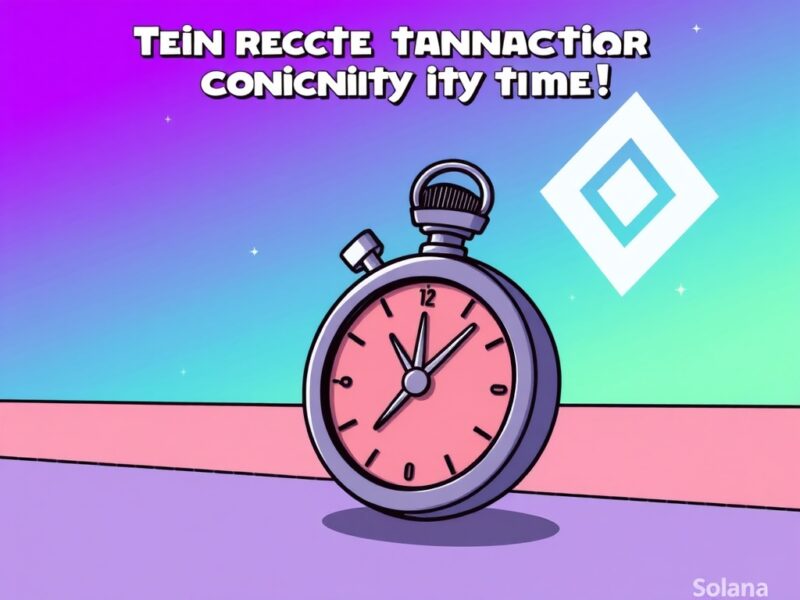
BitcoinWorld Solana Block Finality: Community Votes on a Revolutionary Speed Boost The Solana community is buzzing with excitement as a pivotal vote unfolds, set to dramatically reshape the network’s efficiency. This crucial decision directly impacts Solana block finality, a key metric for transaction speed and reliability. If approved, the proposal promises to make Solana transactions feel almost instantaneous, a significant leap forward for the entire ecosystem. What is This Solana Block Finality Proposal All About? At the heart of the community’s current focus is SIMD-0326, known as “Alpenglow.” This proposal aims for an incredible reduction in Solana block finality time. Currently, it takes approximately 12.8 seconds for a transaction on Solana to be considered fully finalized and irreversible. The “Alpenglow” proposal seeks to slash this duration to a mere 150 milliseconds. Imagine the difference! This change isn’t just a minor tweak; it’s a fundamental shift in how quickly operations are confirmed on the network. Here’s a quick look at the proposed changes: Current Finality Time: Approximately 12.8 seconds. Proposed Finality Time: A blazing 150 milliseconds. Proposal Name: SIMD-0326 (Alpenglow). Goal: Enhance user experience and network responsiveness. Why is Faster Solana Block Finality Crucial? You might wonder, why is this speed boost for Solana block finality so important? A faster finality time brings a multitude of benefits, directly impacting users, developers, and the broader Solana ecosystem. For instance, applications built on Solana, especially those requiring rapid confirmations like high-frequency trading platforms or interactive gaming, would see a massive improvement in performance. Users would experience near-instant transaction confirmations, leading to a smoother, more intuitive experience. Consider these key advantages: Enhanced User Experience: No more waiting for transactions to clear. Instant confirmations make using dApps feel seamless. Improved dApp Performance: Developers can build more complex and responsive applications that rely on quick finality. Competitive Edge: A faster network strengthens Solana’s position against other high-throughput blockchains. Greater Capital Efficiency: For DeFi protocols, quicker finality can mean more efficient use of capital and reduced risks associated with pending transactions. How Does the Community Vote on Solana Block Finality? The Solana network prides itself on its decentralized governance, and this significant upgrade to Solana block finality is no exception. The community is actively participating in the voting process for SIMD-0326. Wu Blockchain reported that the voting period is set to last for roughly two days, allowing ample time for token holders to cast their ballots. While the overall participation rate currently stands at 9.87%, a notable figure for such proposals, the sentiment is overwhelmingly positive. The vast majority of those who have voted so far are in favor of implementing this dramatic reduction in block finality time. This high approval rate indicates a strong consensus within the community regarding the benefits of this proposal. It reflects a collective desire to push Solana’s capabilities further, cementing its reputation as a leading high-performance blockchain. What Potential Challenges Could Arise from Reduced Solana Block Finality? While the benefits of drastically reduced Solana block finality are clear, it’s always wise to consider potential challenges or technical complexities. Implementing such a fundamental change requires careful engineering and thorough testing. Developers must ensure that the new mechanism for achieving faster finality is robust, secure, and does not introduce any unforeseen vulnerabilities or stability issues to the network. The Solana engineering team has likely conducted extensive research and simulations to ensure the smooth rollout of Alpenglow, but ongoing monitoring and community feedback will be crucial post-implementation. In conclusion, the ongoing vote on SIMD-0326 represents a thrilling moment for the Solana ecosystem. The potential to achieve near-instant Solana block finality could unlock new levels of performance and user satisfaction, further solidifying Solana’s role in the future of decentralized technology. The community’s strong support for “Alpenglow” signals a collective vision for a faster, more efficient, and truly revolutionary blockchain experience. Frequently Asked Questions about Solana Block Finality Q1: What exactly is “block finality” in blockchain? A1: Block finality refers to the time it takes for a transaction on a blockchain to be considered irreversible and permanently added to the ledger. Once a transaction reaches finality, it cannot be altered or undone. Q2: What is SIMD-0326 (Alpenglow)? A2: SIMD-0326, also known as “Alpenglow,” is a proposal currently being voted on by the Solana community. Its main goal is to drastically reduce the network’s block finality time from approximately 12.8 seconds to a mere 150 milliseconds. Q3: How will this reduction in Solana block finality benefit users? A3: Users will experience near-instant transaction confirmations, making interactions with Solana-based applications much faster and smoother. This improves the overall user experience significantly. Q4: What is the current status of the vote on Alpenglow? A4: The vote is ongoing for about two days, and early reports indicate that the vast majority of participants who have cast their ballots are in favor of the proposal, despite a current participation rate of around 9.87%. Q5: Are there any risks associated with such a drastic change to Solana block finality? A5: Any significant protocol change requires careful implementation and testing to ensure network stability and security. The Solana engineering team would have conducted extensive research to mitigate potential risks, and ongoing monitoring will be crucial. Was this article helpful in understanding the monumental shift happening with Solana’s transaction speeds? Share this exciting news with your network and let them know about the future of lightning-fast blockchain transactions! Your insights help spread awareness about these crucial developments. To learn more about the latest crypto market trends, explore our article on key developments shaping Solana’s network upgrades. This post Solana Block Finality: Community Votes on a Revolutionary Speed Boost first appeared on BitcoinWorld and is written by Editorial Team

Author: Coinstats
Top 5 Crypto That Investors Are Buying in Bulk

Top 5 Crypto That Investors Are Buying in Bulk

The cryptocurrency market has always been a race to spot opportunities before the crowd. With institutional inflows rising and retail enthusiasm returning, analysts warn that the next big rally could bring a 12,000% upside before late-stage euphoria takes over. As investors position themselves, several digital assets are being scooped up in bulk, signaling strong conviction [...] The post Top 5 Crypto That Investors Are Buying in Bulk appeared first on Blockonomi.

Author: Blockonomi
BlockDAG Review: 2.5M People Already Mining From Their Phones; Why Wait When You Could Start Earning With Just a Tap?

BlockDAG Review: 2.5M People Already Mining From Their Phones; Why Wait When You Could Start Earning With Just a Tap?

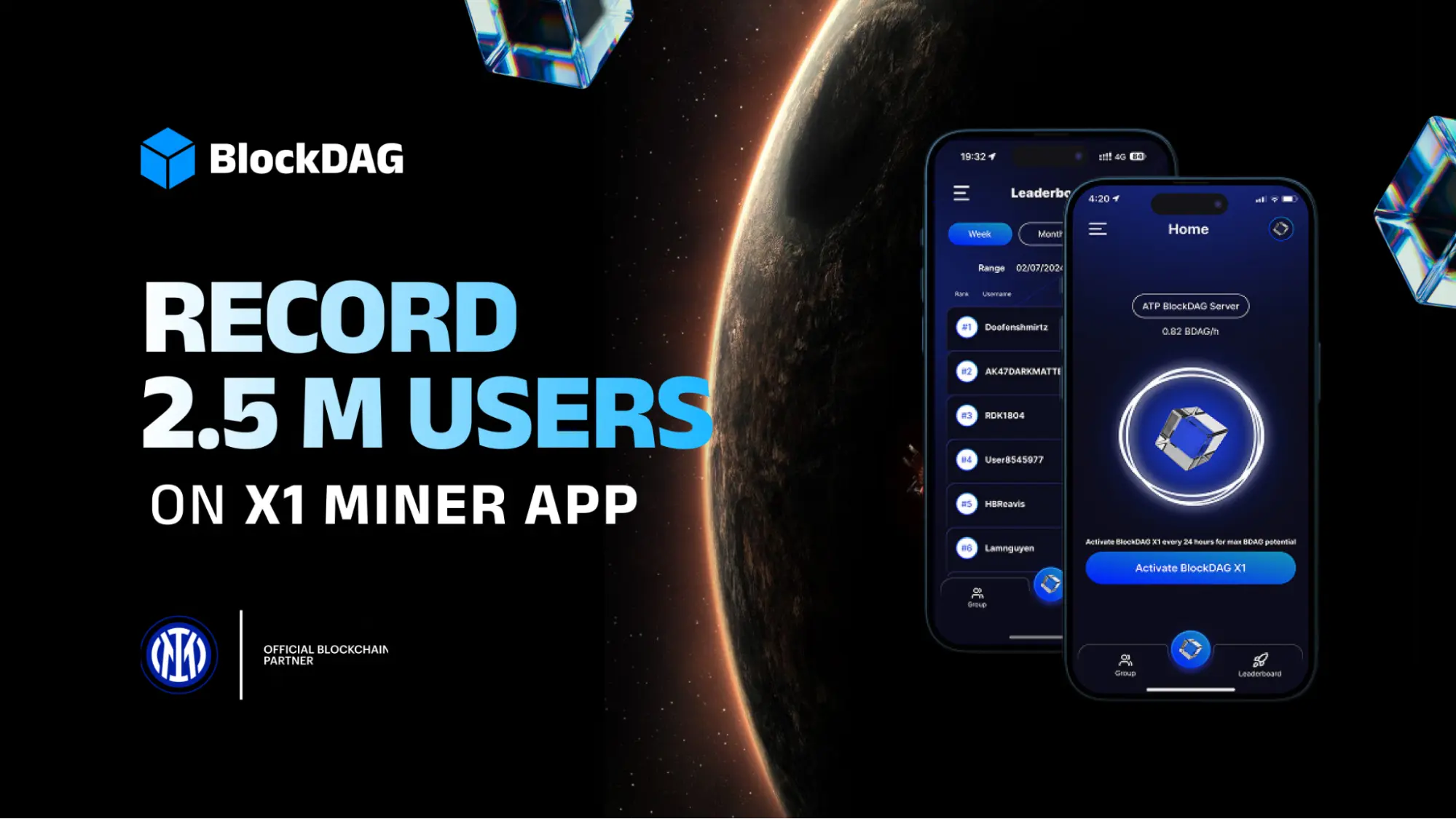
Most crypto platforms sell the future, but BlockDAG is already delivering returns with minimal effort. While competitors ask users to invest in hardware or stake large sums, BlockDAG’s X1 mobile app makes participation simple. Over 2.5 million people are mining BDAG daily with nothing more than a phone. Instead of paying for electricity or setting up rigs, users earn through attention. There are no gas fees, no complex onboarding, just one daily tap to claim rewards. With nearly $385 million raised, more than 25 billion coins sold, and a presale ROI of 2,660%, BlockDAG’s mobile-first strategy is proving to be more than a novelty. It’s a genuine entry point for mass adoption. Why Mobile Mining Works for BlockDAG Traditional mining has long favored those with resources, including costly rigs, high electricity consumption, and specialized technical skills. BlockDAG removes those barriers. With the X1 app, mining requires only consistency,  one tap a day. Rewards are earned through Proof-of-Engagement (PoE), not solely based on raw computing power. This creates a low-cost, inclusive model that has already drawn 2.5 million active users worldwide. It transforms mining into a habit, not a hardship. Unlike shallow “tap-to-earn” gimmicks, the app ties directly into BlockDAG’s roadmap. It will sync with wallets, support future dApps, and integrate mined BDAG into post-launch transactions and swaps. The appeal is clear: people want early access, but they also want involvement. The X1 app gives both, offering mining that is accessible, gamified, and real. Proof-of-Engagement: Mining Through Attention BlockDAG’s Proof-of-Engagement system changes how participation is measured. Instead of staking coins, voting, or running costly nodes, users are rewarded simply for showing up. Daily activity,  a tap, a login, consistent presence,  is what drives BDAG rewards. This model treats time and attention as valuable resources, making mining accessible to anyone with a phone. Unlike other mobile experiments that inflate balances or strain devices, BlockDAG’s PoE is designed for simplicity and scale. With more than 2.5 million people already engaged, the network effect is built in before launch. Each daily interaction creates not only tokens but also a stronger future user base, ensuring activity at scale once the mainnet goes live. Real Value Backed by Presale Momentum The results go beyond theory. BlockDAG’s presale is among the most successful in the sector, raising close to $385 million and selling over 25.5 billion coins. Batch 30 pricing is now $0.03, compared to $0.001 at launch, marking a 2,900% ROI for the earliest participants. Unlike many projects that wait until launch to show value, BlockDAG has built traction during its presale. Alongside the X1 app, features like Buyer Battles,  a gamified daily competition,  and a 25% referral program add more ways to earn and engage. The presale itself is structured to build urgency. Each batch increase raises the price, rewarding those who commit early. This mechanism has fueled momentum across 30 batches and counting, while the mainnet launch remains the next milestone. For those using the X1 app now, the BDAG already carries a price, making every tap more than symbolic. Closing Insights BlockDAG delivers what most presales only promise: real value before launch. Its X1 mobile app allows Proof-of-Engagement mining with just a tap, rewarding over 2.5 million users daily. Backed by nearly $385 million raised, over 25.5 billion coins sold, and a 2,900% ROI since Batch 1, BlockDAG is proving that utility can arrive early. In a sector filled with delays and speculation, it offers a product people can use now. Mining without hardware, staking, or fees,  just consistent engagement that pays. It’s more than presale hype, it’s mining made simple, and it’s already working. Presale: https://purchase.blockdag.network Website: https://blockdag.network Telegram: https://t.me/blockDAGnetworkOfficial Discord: https://discord.gg/Q7BxghMVyu  Disclaimer: This content is a sponsored post and is intended for informational purposes only. It was not written by 36crypto, does not reflect the views of 36crypto and is not a financial advice. Please do your research before engaging with the products.The post BlockDAG Review: 2.5M People Already Mining From Their Phones; Why Wait When You Could Start Earning With Just a Tap? appeared first on 36Crypto.

Author: Coinstats
Base Ranks Third In 30-Day NFT Trading Volume

Base Ranks Third In 30-Day NFT Trading Volume

The post Base Ranks Third In 30-Day NFT Trading Volume appeared on BitcoinEthereumNews.com. Coinbase layer-2 network Base took the third spot in non-fungible token (NFT) trading volume after a 70% surge in the last 30 days.  Decentralized application data aggregator DappRadar showed that Base’s NFT volume reached $47.67 million, increasing by 70% over the past month. The increase pushed the network ahead of many competitors in the NFT space, including Immutable zkEVM and Solana, which are ranked fourth and fifth by 30-day volume.  Collections like Get Based, DX Terminal and Based Style collectively recorded about $25 million in NFT trading volume, driving the surge in digital collectible trading activity on the network.  In addition to NFT volume, the data showed that Base is becoming one of the busiest ecosystems in overall activity. In the last 30 days, the network processed over 27 million transactions and had more than $16 billion in decentralized application (DApp) volume, which is the total token transfers across DApps within the network.  Top blockchains by 30-day NFT volumes. Source: DappRadar Ethereum recorded over $400 million in NFT trading volume While Base may be on the rise, Ethereum remains the most dominant network for NFTs. DappRadar data showed that in the last 30 days, Ethereum recorded $408 million in trading volume.  CryptoPunks, Pudgy Penguins, Moonbirds, the Bored Ape Yacht Club (BAYC) and Lil Pudgys led NFT trading activity on Ethereum, collectively recording over $200 million in trading volume. Related: 3D-printed housing company adopts Bitcoin, NFTs in blockchain pivot Blue-chip NFT collections saw floor price drops This happened despite a recent downturn in floor prices across blue-chip collections. On Tuesday, DefiLlama data showed that NFT floor prices for top collections based on Ethereum saw a drop. Pudgy Penguins, BAYC and Doodles all saw double-digit percentage declines.  CryptoPunks remained steady with less than a 2% drop in floor prices over the same…

Author: BitcoinEthereumNews