Dapp

Dapps are digital applications that run on a P2P network of computers rather than a single server, typically utilizing smart contracts to ensure transparency and uptime. In 2026, Dapps have achieved mass-market appeal through Account Abstraction, allowing for a "Web2-like" user experience with the security of Web3. This tag covers the entire ecosystem of decentralized software—from social media and productivity tools to governance platforms and identity management.

4969 Articles
Created: 2026/02/02 18:52
Updated: 2026/02/02 18:52
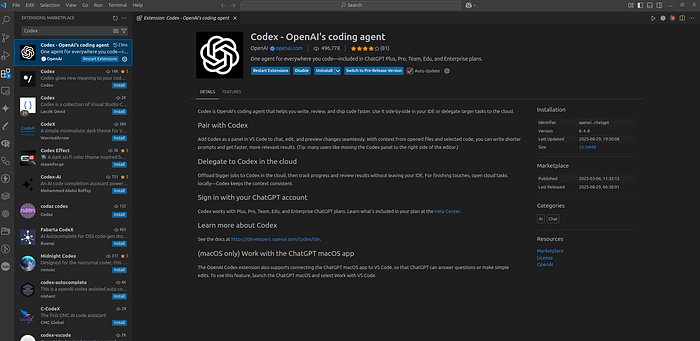
How to Install and Use OpenAI's Codex Agent in VS Code

How to Install and Use OpenAI's Codex Agent in VS Code

This tutorial will guide you through the process of integrating OpenAI’s powerful Codex coding agent directly into yourVisual Studio Code environment. This tool functions as an AI pair programmer, capable of understanding complex prompts to execute commands, write code, run tests, and even build entire applications from scratch.

Author: Hackernoon
Cardano Foundation Overhauls Developer Portal, Here’s What’s New

Cardano Foundation Overhauls Developer Portal, Here’s What’s New

The Cardano Foundation took to X to announce that it has rebuilt its Developer Portal with help from the ADA community. The post Cardano Foundation Overhauls Developer Portal, Here’s What’s New appeared first on Coinspeaker.

Author: Coinspeaker
Tron slashes fees by 60% to boost on-chain activity risking $28 million hit to revenue

Tron slashes fees by 60% to boost on-chain activity risking $28 million hit to revenue

The post Tron slashes fees by 60% to boost on-chain activity risking $28 million hit to revenue appeared on BitcoinEthereumNews.com. The Tron blockchain is preparing for its steepest fee reduction since launch, following a community vote by its Super Representatives (SRs). On Aug. 29, Tron founder Justin Sun confirmed that the blockchain network’s community has backed a proposal to lower fees by 60%. This adjustment, scheduled to take effect later today, aims to lower transaction costs to drive greater on-chain activity. According to him: “This is the largest fee reduction since the founding of the Tron network. The proposal has already passed and will take effect at 20:00 (GMT+8) this Friday.” In the future, the SR Community plans to evaluate network fees quarterly and adjust rates in response to market conditions. Sun explained that the reviews will account for TRX price movements, network activity levels, and overall growth trends. This approach, he said, ensures fees remain low enough to attract users while still sustaining validator revenue. Impact on Tron Sun described the change as a turning point for the network. By cutting costs, he said, users will find it easier to transact, which should encourage more activity in payments, transfers, and decentralized application (dApp) interactions. The short-term effect, however, is expected to be a decline in revenue. Nonetheless, Sun noted that the profitability could rebound as transaction counts grow, arguing that higher volume would eventually outweigh the immediate hit. The impending cut’s scale would be significant compared to existing revenues. Data from DeFiLlama shows Tron earning roughly $47.7 million per month in 2025, with August alone generating more than $58 million before the change. A sudden 60% reduction will dent those figures, but an expanding user base is expected to soften the blow over time. Adoption soars Despite the looming reduction, Tron’s adoption trends remain steady. The blockchain analytics platform Nansen reported that the network handled 8 million and 9…

Author: BitcoinEthereumNews
Unleashing Seamless Layer 2 Interoperability: Ethereum Foundation’s Bold New Vision

Unleashing Seamless Layer 2 Interoperability: Ethereum Foundation’s Bold New Vision

BitcoinWorld Unleashing Seamless Layer 2 Interoperability: Ethereum Foundation’s Bold New Vision The Ethereum ecosystem is buzzing with exciting news! The Ethereum Foundation has just announced ambitious plans for a significant protocol update. This initiative aims to drastically enhance Layer 2 interoperability, making these scaling solutions function more like a single, cohesive network. This is a monumental step towards a truly unified and efficient Ethereum experience for everyone. Why is Layer 2 Interoperability So Crucial for Ethereum’s Future? Currently, while Layer 2 (L2) solutions like Arbitrum, Optimism, and zkSync offer incredible scaling benefits, they often operate in isolation. Moving assets or data between these different L2s can be complex, costly, and time-consuming. This fragmentation hinders user experience and limits the full potential of the Ethereum network. The Ethereum Foundation recognizes this challenge. Their new vision for enhanced Layer 2 interoperability seeks to eliminate these silos. Imagine a world where you can seamlessly interact with any application on any L2 without even realizing you’re switching networks. This is the future they are building. Diving Deep: The Three Pillars of Enhanced Layer 2 Interoperability According to a blog post from the foundation, this groundbreaking initiative will focus on three core areas, each designed to improve how L2s communicate and collaborate. These pillars are crucial for achieving a truly unified chain experience: Initialization: This pillar involves establishing a common ground. It includes modularized intents and standardization. Essentially, this means creating universal rules and structures that all L2s can follow, making it easier for them to understand and communicate with each other. Acceleration: The goal here is speed and efficiency. This area focuses on reducing latency and costs associated with cross-L2 transactions. Faster and cheaper interactions will unlock new possibilities for decentralized applications and everyday users. Finalization: This is about certainty and security. It involves implementing real-time proofs and fast finality mechanisms. This ensures that transactions settled on one L2 are quickly and reliably recognized as final across the entire unified network. What Does This Mean for You? The Benefits of Unified Layer 2 Interoperability Improved Layer 2 interoperability promises a wealth of benefits for various participants in the Ethereum ecosystem: For Users: Expect a smoother, more intuitive experience. You will face fewer hurdles when moving funds or interacting with dApps across different L2s. This translates to lower fees and less waiting time, making Ethereum more accessible and enjoyable. For Developers: Building cross-L2 applications becomes significantly simpler. Developers can create more complex and interconnected decentralized services without worrying about fragmented user bases or intricate bridging solutions. For the Ecosystem: A unified network strengthens Ethereum’s position as the leading smart contract platform. It encourages wider adoption, fosters innovation, and ultimately contributes to the network’s long-term sustainability and growth. This strategic move by the Ethereum Foundation is not just an upgrade; it’s a fundamental shift towards a more integrated and powerful blockchain. While challenges like technical complexity and coordination among various L2 teams exist, the commitment to this vision is clear. Unleashing Ethereum’s Full Potential Through Enhanced Layer 2 Interoperability The Ethereum Foundation’s plan to enhance Layer 2 interoperability marks a pivotal moment for the network. By focusing on initialization, acceleration, and finalization, they are laying the groundwork for a future where Ethereum’s scaling solutions work in perfect harmony. This will lead to a more seamless, efficient, and user-friendly blockchain experience, ultimately unleashing Ethereum’s full potential for a global audience. Frequently Asked Questions (FAQs) Q1: What exactly is Layer 2 interoperability? A1: Layer 2 interoperability refers to the ability of different Layer 2 scaling solutions (like Arbitrum or Optimism) to communicate, share data, and transfer assets seamlessly with each other, rather than operating as isolated networks. Q2: Why is the Ethereum Foundation focusing on this now? A2: While L2s have significantly improved Ethereum’s scalability, the lack of seamless interaction between them creates a fragmented user experience. The Foundation aims to address this to make the entire ecosystem more unified and efficient. Q3: What are the three key areas of this protocol update? A3: The initiative focuses on Initialization (standardization and modular intents), Acceleration (reducing latency and costs), and Finalization (real-time proofs and fast finality). Q4: How will enhanced Layer 2 interoperability benefit users? A4: Users will experience smoother transactions, lower fees, and easier movement of assets and data across different L2 networks, leading to a more integrated and intuitive Ethereum experience. Q5: When can we expect these changes to be implemented? A5: Protocol updates of this scale typically involve extensive research, development, and testing. While a specific timeline has not been announced, these are long-term strategic goals for the Ethereum ecosystem. Did you find this article insightful? Help us spread the word about the exciting future of Ethereum! Share this article on your social media channels and let your friends know about the advancements in Layer 2 interoperability. To learn more about the latest crypto market trends, explore our article on key developments shaping Ethereum’s institutional adoption. This post Unleashing Seamless Layer 2 Interoperability: Ethereum Foundation’s Bold New Vision first appeared on BitcoinWorld and is written by Editorial Team

Author: Coinstats
Avalanche surges: +66% in transactions in one week, as the USA integrates GDP on blockchain and the AVAX ETF enters the radar

Avalanche surges: +66% in transactions in one week, as the USA integrates GDP on blockchain and the AVAX ETF enters the radar

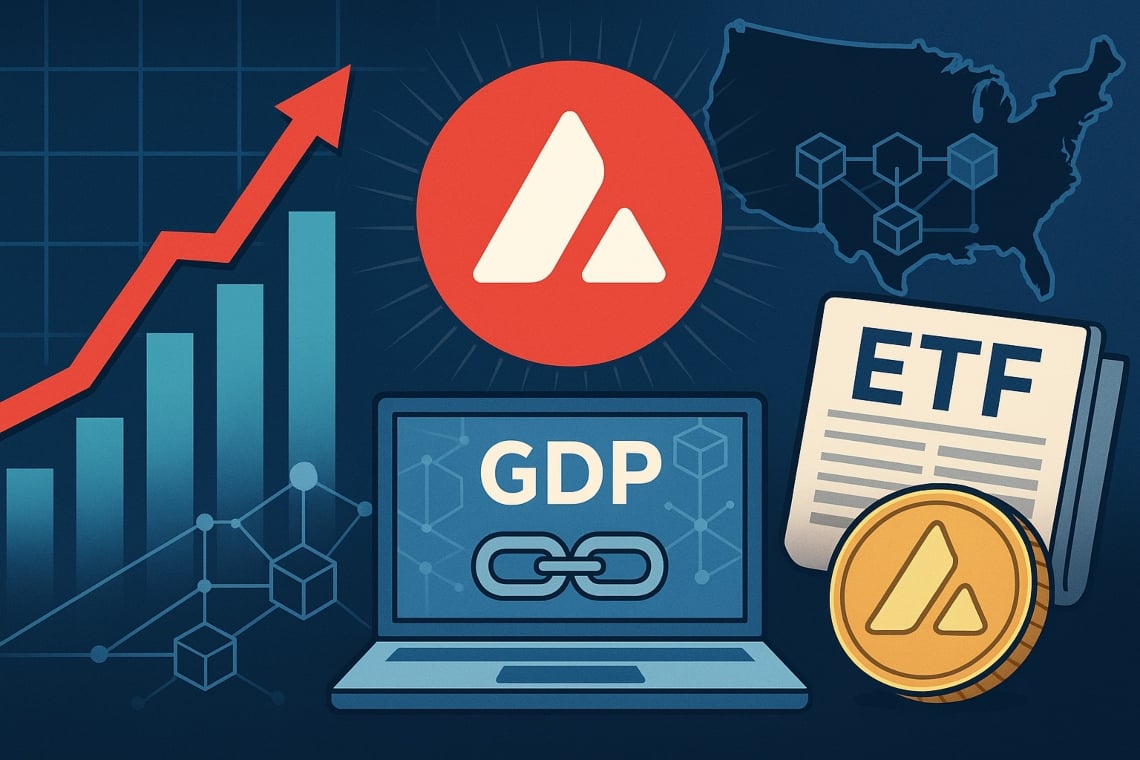
High-intensity week for the sector: Avalanche recorded a 66% increase in transactions over the past seven days.

Author: The Cryptonomist
3 Top Meme Coins That Could Flip Dogecoin To Become #1 By 2026: Pengu, Pepe Coin, and Layer Brett

3 Top Meme Coins That Could Flip Dogecoin To Become #1 By 2026: Pengu, Pepe Coin, and Layer Brett

Pengu, PEPE, and Layer Brett eye Dogecoin’s crown. With presale live, LBRETT’s L2 speed, staking, and meme power make it the strongest contender for #1.

Author: Blockchainreporter
Cardano Set To Drop Below $0.50 As Whales Back DeSoc In Record Making Presale

Cardano Set To Drop Below $0.50 As Whales Back DeSoc In Record Making Presale

The post Cardano Set To Drop Below $0.50 As Whales Back DeSoc In Record Making Presale appeared on BitcoinEthereumNews.com. Crypto News The cryptocurrency space is buzzing with the new trend: projects that go beyond financial speculation and actually address real problems in the real world. As meme coins blow up and Layer 1s struggle with congestion wars, there’s one project that’s rewriting the playbook quietly, and investors are snapping up on it fast. Say hello to DeSoc, the decentralized social identity platform that has already hit over $10 million in weeks, one of the best crypto presales to invest in today. Backed by a solid use case, expert credibility, and a growing base of believers, DeSoc is not just a coin. It’s the connective tissue Web3 has lacked. What Is DeSoc and Why Is It Booming? Short for “Decentralized Social,” DeSoc is solving one of crypto’s most important problems: fractured identity. Today, your identity on X (Twitter), Farcaster, Discord, or Lens exists in separate silos. DeSoc tackles that by unifying identity, social credibility, and influence across Web2 and Web3. Developed with creators, developers, and communities in mind, the SOCS token is for staking, governance, and powering the tools that make decentralized reputation possible. Here’s why analysts are so hot on it: One Identity Layer for Web2 and Web3 Developer APIs to build social tools and platforms Staking rewards and governance are built in Creator monetization through social reputation metrics Raised over $10M, with a presale that’s red hot in seconds If you slept on early Ethereum or Solana, DeSoc might be your second chance at a high-utility gem before it becomes mainstream. Experts Say It Ticks All The Right Boxes Analysts are already referring to DeSoc as one of the next 100x crypto projects, and rightly so. It sits at the intersection of multiple popular narratives: decentralized identity, social finance (SoFi), creator tools, and Web3 reputation. Even better? It’s…

Author: BitcoinEthereumNews
Litecoin and Chainlink Face Fierce Competition From A New Ethereum L2 Dubbed ‘The Next SHIB’

Litecoin and Chainlink Face Fierce Competition From A New Ethereum L2 Dubbed ‘The Next SHIB’

The crypto market is changing fast—and not always in ways that favour the old guard. While stalwart projects like Litecoin and Chainlink continue building, they’re facing serious heat from meme‑powered newcomers. One project, Layer Brett, is gunning for both volume and velocity—and it’s grabbing attention from every direction. Litecoin (LTC): Reliable, but low-voltage Litecoin has [...] The post Litecoin and Chainlink Face Fierce Competition From A New Ethereum L2 Dubbed ‘The Next SHIB’ appeared first on Blockonomi.

Author: Blockonomi
ADA Price Prediction: Cardano Set To Drop Below $0.50 As Whales Back DeSoc In Record Making Presale

ADA Price Prediction: Cardano Set To Drop Below $0.50 As Whales Back DeSoc In Record Making Presale

As meme coins blow up and Layer 1s struggle with congestion wars, there’s one project that’s rewriting the playbook quietly, […] The post ADA Price Prediction: Cardano Set To Drop Below $0.50 As Whales Back DeSoc In Record Making Presale appeared first on Coindoo.

Author: Coindoo
Why the ‘Next Pepe’ May Be Just Getting Started Despite Rising Volume

Why the ‘Next Pepe’ May Be Just Getting Started Despite Rising Volume

The post Why the ‘Next Pepe’ May Be Just Getting Started Despite Rising Volume appeared on BitcoinEthereumNews.com. Forget the fleeting hype of projects like Pepe coin (PEPE); Layer Brett (LBRETT) is here, and it’s redefining what a meme coin can be, fusing viral culture with legitimate blockchain utility. This next-generation Layer 2 crypto isn’t just riding the current wave of trending cryptocurrencies; it’s building a whole new one, with its presale offering early birds a chance at potentially explosive gains.  Many analysts are backing the Layer Brett price to reach between 10x and 30x by the end of 2025. Why Layer Brett’s Layer 2 Advantage Trumps Old-School Memes, Even PEPE What’s the real differentiator? Simply put: Layer 2. While established memecoins like Pepe coin (PEPE), Shiba Inu, and the original Brett grappled with Ethereum’s congestion and sky-high gas fees, Layer Brett escapes that entire mess.  It’s built on a dedicated Ethereum Layer 2 blockchain, meaning lightning-fast transactions and ultra-low gas fees. This isn’t just some technical jargon. It’s the difference between waiting minutes and paying dollars for a transaction versus near-instantaneous transfers for pennies. Ethereum Layer 1, for all its security, often feels like a clogged highway. Layer Brett, however, zooms past this, processing activity off-chain while still anchored to Ethereum’s robust decentralization.  This provides a user experience that Shiba Inu or Dogecoin just can’t match without their own scaling solutions. The future of DeFi and Web3 hinges on scalability, and Layer Brett is purpose-built for it, unlike its meme coin predecessors. The Unstoppable Surge: LBRETT’s Core Strengths This isn’t merely another meme token; it’s a strategic play in the bustling Layer 2 space, poised to rival the likes of Optimism and Arbitrum. What makes LBRETT a low-cap crypto gem worth considering? Ethereum Layer 2 Power: High-speed, low-cost, scalable transactions. This means less friction for everyone. Unrivaled Staking Rewards: Early buyers can jump into a dApp and…

Author: BitcoinEthereumNews