BitcoinWorld Starknet Outage: Unpacking the Critical 20-Minute Halt on Ethereum’s L2 The crypto world recently witnessed an unexpected event: a significant Starknet outage. This incident, which saw block production halt for a concerning 20 minutes, sent ripples of discussion across the community. For a network built on the promise of scalability and efficiency, such a pause naturally raises questions about stability and resilience. Let’s delve into what happened and what this brief but impactful interruption signifies for the future of Ethereum’s Layer 2 ecosystem. What Exactly Caused the Starknet Outage? According to reports from Wu Blockchain and observations on the Voyager explorer, the Starknet (STRK) network, a prominent ZK-rollup-based Ethereum Layer 2, experienced a service issue. This led to a complete halt in block production for approximately 20 minutes. While the exact root cause was not immediately detailed, such events in blockchain networks typically stem from various factors. Potential causes for a network halt can include: Software bugs: Unforeseen errors in the network’s code. Consensus issues: Disagreements among network validators on the next valid block. Infrastructure overload: Sudden spikes in transaction volume overwhelming the system. Security incidents: Though less common for a full halt, they are always a consideration. This particular Starknet outage quickly became a talking point, emphasizing the fragility even of advanced blockchain solutions. The Immediate Impact of the Starknet Outage A 20-minute halt might seem brief in the grand scheme of things, but in the fast-paced world of decentralized finance (DeFi) and blockchain transactions, it can feel like an eternity. During this period, users attempting to process transactions on Starknet would have experienced delays or outright failures. This directly impacts user experience and can lead to missed opportunities for traders or disruptions for dApp users. Moreover, such an event can temporarily erode user confidence. When a network like Starknet, designed to enhance Ethereum’s performance, faces an operational pause, it highlights the inherent challenges in maintaining continuous uptime for complex Layer 2 solutions. It serves as a stark reminder that even the most innovative technologies are not immune to technical glitches. Understanding the specifics of this Starknet outage is crucial for assessing its long-term implications. Learning from the Starknet Outage: Enhancing Resilience Every network incident, including this recent Starknet outage, offers valuable lessons for developers and the wider blockchain community. For Starknet, it’s an opportunity to thoroughly investigate the cause, implement robust fixes, and enhance their monitoring and response protocols. Transparency in communication during and after such events is also paramount for maintaining trust. For users and developers relying on Layer 2 solutions, this incident underscores the importance of: Diversification: Not putting all eggs in one basket; considering multiple Layer 2 options. Monitoring: Staying informed about network status and updates from official channels. Risk Assessment: Understanding the potential for downtime and building applications with resilience in mind. The incident prompts a broader discussion on the stress testing and emergency protocols that ZK-rollups employ to ensure continuous operation, even under unexpected conditions. This commitment to continuous improvement ultimately strengthens the entire ecosystem. The recent 20-minute Starknet outage was a moment of reflection for the Layer 2 landscape. While brief, it highlighted the critical need for robust infrastructure, transparent communication, and continuous improvement in the pursuit of decentralized scalability. As Starknet and other ZK-rollups continue to evolve, these experiences will undoubtedly contribute to building more resilient and reliable networks, ultimately benefiting all users of the Ethereum ecosystem. The journey to a truly seamless and scalable blockchain future is ongoing, and every challenge overcome makes the network stronger. Frequently Asked Questions (FAQs) Q1: What is Starknet? A1: Starknet is a ZK-rollup-based Ethereum Layer 2 network designed to scale Ethereum by processing transactions off-chain, thereby reducing costs and increasing throughput. Q2: What happened during the recent Starknet outage? A2: The Starknet network experienced a service issue, halting block production for approximately 20 minutes, which meant no new transactions could be processed. Q3: Was the Starknet outage a security breach? A3: No official reports indicate the Starknet outage was a security breach. It was likely caused by software bugs, consensus issues, or infrastructure problems. Q4: How does a network halt impact users? A4: Users face transaction delays or failures, leading to missed opportunities and a temporary dip in confidence regarding the network’s reliability and uptime. Was this article helpful in understanding the recent Starknet outage? Share your thoughts and spread awareness within the crypto community! Follow us on social media and share this article to keep others informed about critical developments in the blockchain space. To learn more about the latest crypto market trends, explore our article on key developments shaping Ethereum price action. This post Starknet Outage: Unpacking the Critical 20-Minute Halt on Ethereum’s L2 first appeared on BitcoinWorld and is written by Editorial TeamBitcoinWorld Starknet Outage: Unpacking the Critical 20-Minute Halt on Ethereum’s L2 The crypto world recently witnessed an unexpected event: a significant Starknet outage. This incident, which saw block production halt for a concerning 20 minutes, sent ripples of discussion across the community. For a network built on the promise of scalability and efficiency, such a pause naturally raises questions about stability and resilience. Let’s delve into what happened and what this brief but impactful interruption signifies for the future of Ethereum’s Layer 2 ecosystem. What Exactly Caused the Starknet Outage? According to reports from Wu Blockchain and observations on the Voyager explorer, the Starknet (STRK) network, a prominent ZK-rollup-based Ethereum Layer 2, experienced a service issue. This led to a complete halt in block production for approximately 20 minutes. While the exact root cause was not immediately detailed, such events in blockchain networks typically stem from various factors. Potential causes for a network halt can include: Software bugs: Unforeseen errors in the network’s code. Consensus issues: Disagreements among network validators on the next valid block. Infrastructure overload: Sudden spikes in transaction volume overwhelming the system. Security incidents: Though less common for a full halt, they are always a consideration. This particular Starknet outage quickly became a talking point, emphasizing the fragility even of advanced blockchain solutions. The Immediate Impact of the Starknet Outage A 20-minute halt might seem brief in the grand scheme of things, but in the fast-paced world of decentralized finance (DeFi) and blockchain transactions, it can feel like an eternity. During this period, users attempting to process transactions on Starknet would have experienced delays or outright failures. This directly impacts user experience and can lead to missed opportunities for traders or disruptions for dApp users. Moreover, such an event can temporarily erode user confidence. When a network like Starknet, designed to enhance Ethereum’s performance, faces an operational pause, it highlights the inherent challenges in maintaining continuous uptime for complex Layer 2 solutions. It serves as a stark reminder that even the most innovative technologies are not immune to technical glitches. Understanding the specifics of this Starknet outage is crucial for assessing its long-term implications. Learning from the Starknet Outage: Enhancing Resilience Every network incident, including this recent Starknet outage, offers valuable lessons for developers and the wider blockchain community. For Starknet, it’s an opportunity to thoroughly investigate the cause, implement robust fixes, and enhance their monitoring and response protocols. Transparency in communication during and after such events is also paramount for maintaining trust. For users and developers relying on Layer 2 solutions, this incident underscores the importance of: Diversification: Not putting all eggs in one basket; considering multiple Layer 2 options. Monitoring: Staying informed about network status and updates from official channels. Risk Assessment: Understanding the potential for downtime and building applications with resilience in mind. The incident prompts a broader discussion on the stress testing and emergency protocols that ZK-rollups employ to ensure continuous operation, even under unexpected conditions. This commitment to continuous improvement ultimately strengthens the entire ecosystem. The recent 20-minute Starknet outage was a moment of reflection for the Layer 2 landscape. While brief, it highlighted the critical need for robust infrastructure, transparent communication, and continuous improvement in the pursuit of decentralized scalability. As Starknet and other ZK-rollups continue to evolve, these experiences will undoubtedly contribute to building more resilient and reliable networks, ultimately benefiting all users of the Ethereum ecosystem. The journey to a truly seamless and scalable blockchain future is ongoing, and every challenge overcome makes the network stronger. Frequently Asked Questions (FAQs) Q1: What is Starknet? A1: Starknet is a ZK-rollup-based Ethereum Layer 2 network designed to scale Ethereum by processing transactions off-chain, thereby reducing costs and increasing throughput. Q2: What happened during the recent Starknet outage? A2: The Starknet network experienced a service issue, halting block production for approximately 20 minutes, which meant no new transactions could be processed. Q3: Was the Starknet outage a security breach? A3: No official reports indicate the Starknet outage was a security breach. It was likely caused by software bugs, consensus issues, or infrastructure problems. Q4: How does a network halt impact users? A4: Users face transaction delays or failures, leading to missed opportunities and a temporary dip in confidence regarding the network’s reliability and uptime. Was this article helpful in understanding the recent Starknet outage? Share your thoughts and spread awareness within the crypto community! Follow us on social media and share this article to keep others informed about critical developments in the blockchain space. To learn more about the latest crypto market trends, explore our article on key developments shaping Ethereum price action. This post Starknet Outage: Unpacking the Critical 20-Minute Halt on Ethereum’s L2 first appeared on BitcoinWorld and is written by Editorial Team

Starknet Outage: Unpacking the Critical 20-Minute Halt on Ethereum’s L2

4 min read

BitcoinWorld

Starknet Outage: Unpacking the Critical 20-Minute Halt on Ethereum’s L2

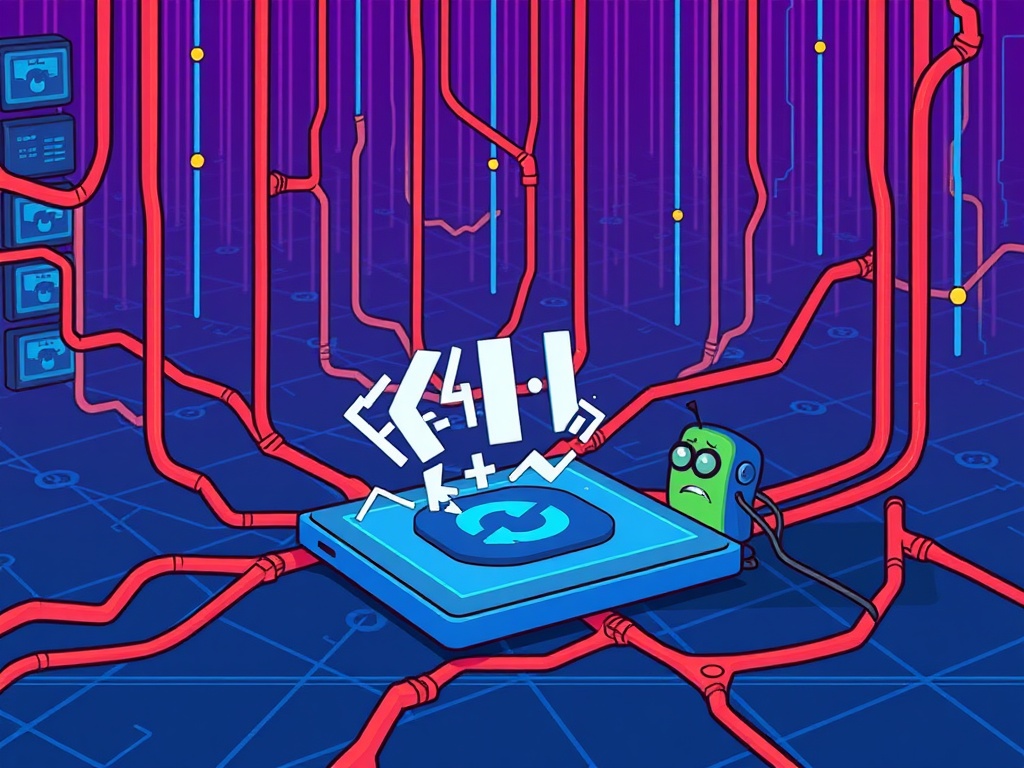
The crypto world recently witnessed an unexpected event: a significant Starknet outage. This incident, which saw block production halt for a concerning 20 minutes, sent ripples of discussion across the community. For a network built on the promise of scalability and efficiency, such a pause naturally raises questions about stability and resilience. Let’s delve into what happened and what this brief but impactful interruption signifies for the future of Ethereum’s Layer 2 ecosystem.

What Exactly Caused the Starknet Outage?

According to reports from Wu Blockchain and observations on the Voyager explorer, the Starknet (STRK) network, a prominent ZK-rollup-based Ethereum Layer 2, experienced a service issue. This led to a complete halt in block production for approximately 20 minutes. While the exact root cause was not immediately detailed, such events in blockchain networks typically stem from various factors.

Potential causes for a network halt can include:

  • Software bugs: Unforeseen errors in the network’s code.
  • Consensus issues: Disagreements among network validators on the next valid block.
  • Infrastructure overload: Sudden spikes in transaction volume overwhelming the system.
  • Security incidents: Though less common for a full halt, they are always a consideration.

This particular Starknet outage quickly became a talking point, emphasizing the fragility even of advanced blockchain solutions.

The Immediate Impact of the Starknet Outage

A 20-minute halt might seem brief in the grand scheme of things, but in the fast-paced world of decentralized finance (DeFi) and blockchain transactions, it can feel like an eternity. During this period, users attempting to process transactions on Starknet would have experienced delays or outright failures. This directly impacts user experience and can lead to missed opportunities for traders or disruptions for dApp users.

Moreover, such an event can temporarily erode user confidence. When a network like Starknet, designed to enhance Ethereum’s performance, faces an operational pause, it highlights the inherent challenges in maintaining continuous uptime for complex Layer 2 solutions. It serves as a stark reminder that even the most innovative technologies are not immune to technical glitches. Understanding the specifics of this Starknet outage is crucial for assessing its long-term implications.

Learning from the Starknet Outage: Enhancing Resilience

Every network incident, including this recent Starknet outage, offers valuable lessons for developers and the wider blockchain community. For Starknet, it’s an opportunity to thoroughly investigate the cause, implement robust fixes, and enhance their monitoring and response protocols. Transparency in communication during and after such events is also paramount for maintaining trust.

For users and developers relying on Layer 2 solutions, this incident underscores the importance of:

  • Diversification: Not putting all eggs in one basket; considering multiple Layer 2 options.
  • Monitoring: Staying informed about network status and updates from official channels.
  • Risk Assessment: Understanding the potential for downtime and building applications with resilience in mind.

The incident prompts a broader discussion on the stress testing and emergency protocols that ZK-rollups employ to ensure continuous operation, even under unexpected conditions. This commitment to continuous improvement ultimately strengthens the entire ecosystem.

The recent 20-minute Starknet outage was a moment of reflection for the Layer 2 landscape. While brief, it highlighted the critical need for robust infrastructure, transparent communication, and continuous improvement in the pursuit of decentralized scalability. As Starknet and other ZK-rollups continue to evolve, these experiences will undoubtedly contribute to building more resilient and reliable networks, ultimately benefiting all users of the Ethereum ecosystem. The journey to a truly seamless and scalable blockchain future is ongoing, and every challenge overcome makes the network stronger.

Frequently Asked Questions (FAQs)

Q1: What is Starknet?
A1: Starknet is a ZK-rollup-based Ethereum Layer 2 network designed to scale Ethereum by processing transactions off-chain, thereby reducing costs and increasing throughput.

Q2: What happened during the recent Starknet outage?
A2: The Starknet network experienced a service issue, halting block production for approximately 20 minutes, which meant no new transactions could be processed.

Q3: Was the Starknet outage a security breach?
A3: No official reports indicate the Starknet outage was a security breach. It was likely caused by software bugs, consensus issues, or infrastructure problems.

Q4: How does a network halt impact users?
A4: Users face transaction delays or failures, leading to missed opportunities and a temporary dip in confidence regarding the network’s reliability and uptime.

Was this article helpful in understanding the recent Starknet outage? Share your thoughts and spread awareness within the crypto community! Follow us on social media and share this article to keep others informed about critical developments in the blockchain space.

To learn more about the latest crypto market trends, explore our article on key developments shaping Ethereum price action.

This post Starknet Outage: Unpacking the Critical 20-Minute Halt on Ethereum’s L2 first appeared on BitcoinWorld and is written by Editorial Team

Market Opportunity
STRK Logo
STRK Price(STRK)
$0.04855
$0.04855$0.04855
-2.90%
USD
STRK (STRK) Live Price Chart
Disclaimer: The articles reposted on this site are sourced from public platforms and are provided for informational purposes only. They do not necessarily reflect the views of MEXC. All rights remain with the original authors. If you believe any content infringes on third-party rights, please contact service@support.mexc.com for removal. MEXC makes no guarantees regarding the accuracy, completeness, or timeliness of the content and is not responsible for any actions taken based on the information provided. The content does not constitute financial, legal, or other professional advice, nor should it be considered a recommendation or endorsement by MEXC.

You May Also Like

Verimatrix: Sale of Extended Threat Defense Assets (Mobile Application Protection) to Guardsquare

Verimatrix: Sale of Extended Threat Defense Assets (Mobile Application Protection) to Guardsquare

Completion of the sale of XTD assets (code and mobile application protection), including a portfolio of patents and a team of experts. The Group is refocusing on
Share
AI Journal2026/02/06 00:49
IP Hits $11.75, HYPE Climbs to $55, BlockDAG Surpasses Both with $407M Presale Surge!

IP Hits $11.75, HYPE Climbs to $55, BlockDAG Surpasses Both with $407M Presale Surge!

The post IP Hits $11.75, HYPE Climbs to $55, BlockDAG Surpasses Both with $407M Presale Surge! appeared on BitcoinEthereumNews.com. Crypto News 17 September 2025 | 18:00 Discover why BlockDAG’s upcoming Awakening Testnet launch makes it the best crypto to buy today as Story (IP) price jumps to $11.75 and Hyperliquid hits new highs. Recent crypto market numbers show strength but also some limits. The Story (IP) price jump has been sharp, fueled by big buybacks and speculation, yet critics point out that revenue still lags far behind its valuation. The Hyperliquid (HYPE) price looks solid around the mid-$50s after a new all-time high, but questions remain about sustainability once the hype around USDH proposals cools down. So the obvious question is: why chase coins that are either stretched thin or at risk of retracing when you could back a network that’s already proving itself on the ground? That’s where BlockDAG comes in. While other chains are stuck dealing with validator congestion or outages, BlockDAG’s upcoming Awakening Testnet will be stress-testing its EVM-compatible smart chain with real miners before listing. For anyone looking for the best crypto coin to buy, the choice between waiting on fixes or joining live progress feels like an easy one. BlockDAG: Smart Chain Running Before Launch Ethereum continues to wrestle with gas congestion, and Solana is still known for network freezes, yet BlockDAG is already showing a different picture. Its upcoming Awakening Testnet, set to launch on September 25, isn’t just a demo; it’s a live rollout where the chain’s base protocols are being stress-tested with miners connected globally. EVM compatibility is active, account abstraction is built in, and tools like updated vesting contracts and Stratum integration are already functional. Instead of waiting for fixes like other networks, BlockDAG is proving its infrastructure in real time. What makes this even more important is that the technology is operational before the coin even hits exchanges. That…
Share
BitcoinEthereumNews2025/09/18 00:32
BlackRock boosts AI and US equity exposure in $185 billion models

BlackRock boosts AI and US equity exposure in $185 billion models

The post BlackRock boosts AI and US equity exposure in $185 billion models appeared on BitcoinEthereumNews.com. BlackRock is steering $185 billion worth of model portfolios deeper into US stocks and artificial intelligence. The decision came this week as the asset manager adjusted its entire model suite, increasing its equity allocation and dumping exposure to international developed markets. The firm now sits 2% overweight on stocks, after money moved between several of its biggest exchange-traded funds. This wasn’t a slow shuffle. Billions flowed across multiple ETFs on Tuesday as BlackRock executed the realignment. The iShares S&P 100 ETF (OEF) alone brought in $3.4 billion, the largest single-day haul in its history. The iShares Core S&P 500 ETF (IVV) collected $2.3 billion, while the iShares US Equity Factor Rotation Active ETF (DYNF) added nearly $2 billion. The rebalancing triggered swift inflows and outflows that realigned investor exposure on the back of performance data and macroeconomic outlooks. BlackRock raises equities on strong US earnings The model updates come as BlackRock backs the rally in American stocks, fueled by strong earnings and optimism around rate cuts. In an investment letter obtained by Bloomberg, the firm said US companies have delivered 11% earnings growth since the third quarter of 2024. Meanwhile, earnings across other developed markets barely touched 2%. That gap helped push the decision to drop international holdings in favor of American ones. Michael Gates, lead portfolio manager for BlackRock’s Target Allocation ETF model portfolio suite, said the US market is the only one showing consistency in sales growth, profit delivery, and revisions in analyst forecasts. “The US equity market continues to stand alone in terms of earnings delivery, sales growth and sustainable trends in analyst estimates and revisions,” Michael wrote. He added that non-US developed markets lagged far behind, especially when it came to sales. This week’s changes reflect that position. The move was made ahead of the Federal…
Share
BitcoinEthereumNews2025/09/18 01:44