Seedance 2.0 Sparks Hollywood Fury: AI Video Generator Faces Devastating Copyright Backlash
BitcoinWorld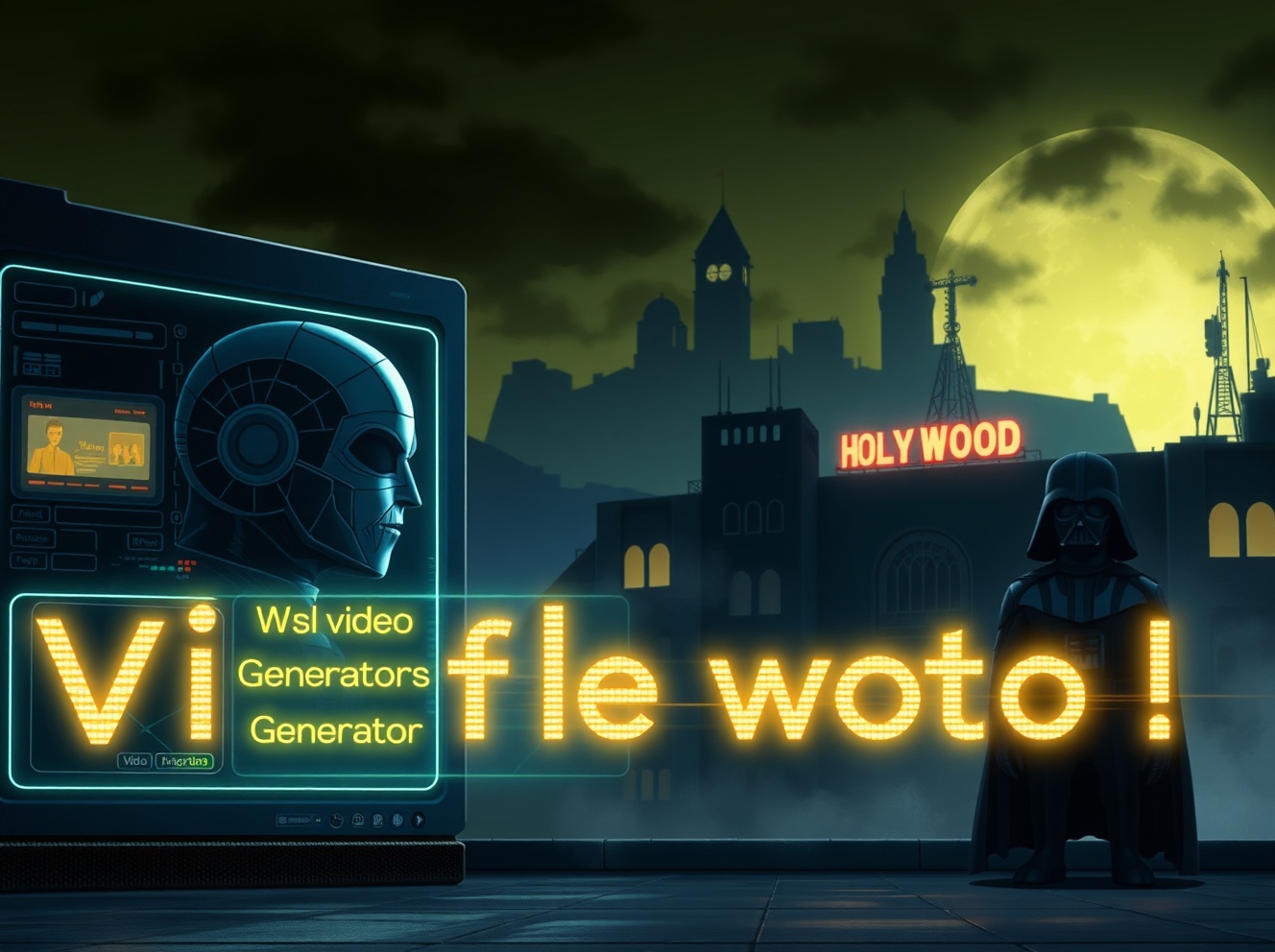
Seedance 2.0 Sparks Hollywood Fury: AI Video Generator Faces Devastating Copyright Backlash
October 13, 2025 — SAN FRANCISCO, CA — Hollywood’s major studios and creative unions have launched an unprecedented coordinated attack against Seedance 2.0, ByteDance’s powerful new AI video generator that has ignited what industry leaders call “the most blatant copyright crisis in entertainment history.” The controversy erupted this week as the Chinese technology giant released its updated model, which enables users to create 15-second videos from simple text prompts, resulting in widespread unauthorized use of copyrighted characters and celebrity likenesses.
Seedance 2.0: The AI Video Generator That Shook Hollywood
ByteDance quietly launched Seedance 2.0 through its Jianying app for Chinese users earlier this week. The company plans a global rollout via its popular CapCut application soon. This technology represents ByteDance’s direct challenge to OpenAI’s Sora in the rapidly evolving generative video space. Consequently, the tool allows anyone to create professional-looking video content with minimal technical skill.
The system operates through a straightforward interface. Users simply input descriptive text prompts. Then, the AI generates corresponding video content. However, the apparent absence of robust content filters has created immediate problems. Within hours of release, social media platforms flooded with AI-generated videos featuring copyrighted intellectual property.
Notably, one viral example showed Tom Cruise fighting Brad Pitt in a dramatic action sequence. The creator claimed this required only “a 2 line prompt in seedance 2.” This demonstration particularly alarmed industry professionals. It revealed the technology’s capability to replicate specific actor likenesses without permission.
Hollywood’s Immediate and Forceful Response
The Motion Picture Association (MPA) responded with unusual speed and severity. CEO Charles Rivkin issued a formal statement demanding ByteDance “immediately cease its infringing activity.” He emphasized the scale of the problem, stating, “In a single day, the Chinese AI service Seedance 2.0 has engaged in unauthorized use of U.S. copyrighted works on a massive scale.”
Rivkin further criticized ByteDance’s approach to safeguards. He argued the company launched “a service that operates without meaningful safeguards against infringement.” This disregard for copyright law, he warned, threatens “the rights of creators and underpins millions of American jobs.” The MPA represents major studios including Disney, Netflix, Paramount, Sony, Universal, and Warner Bros.
Simultaneously, the Human Artistry Campaign mobilized its response. This coalition includes Hollywood unions and trade groups. They condemned Seedance 2.0 as “an attack on every creator around the world.” Their statement highlighted broader concerns about AI’s impact on creative professions.
Screenwriter Reactions and Industry Anxiety
Creative professionals expressed particular alarm. “Deadpool” screenwriter Rhett Reese responded to the Tom Cruise-Brad Pitt video with grim resignation. He tweeted, “I hate to say it. It’s likely over for us.” This sentiment reflects widespread anxiety among writers and actors. They fear AI tools could eventually replace human creative roles.
SAG-AFTRA, the actors’ union, issued its own strong statement. The organization declared it “stands with the studios in condemning the blatant infringement enabled by ByteDance’s new AI video model Seedance 2.0.” This alignment between studios and labor unions is particularly significant. It demonstrates unified opposition across traditionally divided industry segments.
Disney’s Legal Offensive Against Seedance
Disney launched the most aggressive legal response. The entertainment giant identified numerous Seedance-generated videos featuring its intellectual property. These included Spider-Man, Darth Vader, and Grogu (Baby Yoda). Consequently, Disney’s legal team sent a cease-and-desist letter to ByteDance.
The letter accused ByteDance of a “virtual smash-and-grab of Disney’s IP.” It further claimed the Chinese company was “hijacking Disney’s characters by reproducing, distributing, and creating derivative works featuring those characters.” Disney’s legal action follows similar moves against other AI companies.
Interestingly, Disney’s approach to AI companies appears strategic rather than uniformly oppositional. While pursuing ByteDance legally, the company simultaneously maintains a three-year licensing deal with OpenAI. This suggests Disney distinguishes between companies based on their respect for intellectual property rights.
The following table illustrates Disney’s contrasting approaches to different AI companies:
| AI Company | Disney’s Action | Reasoning |
|---|---|---|
| ByteDance (Seedance 2.0) | Cease-and-desist letter | Unauthorized use of copyrighted characters |
| OpenAI (Sora) | Three-year licensing deal | Formal partnership with safeguards |
| Google (undisclosed AI) | Cease-and-desist letter | Similar copyright concerns |
Technical Capabilities and Copyright Implications
Seedance 2.0 represents significant technological advancement. The model generates high-quality video from text descriptions. Its 15-second output limitation matches industry standards for social media content. However, the system’s training data remains undisclosed. This opacity raises critical questions about copyright compliance.
Industry experts identify several specific concerns:
- Likeness replication: The AI can generate recognizable celebrity faces
- Character reproduction: It creates exact copies of copyrighted characters
- Style imitation: The tool replicates distinctive directorial styles
- Content moderation: Current safeguards appear insufficient
Legal scholars note this case could establish important precedents. They point to several unresolved questions about AI and copyright law. These include whether training models on copyrighted material constitutes infringement. Additionally, they question who bears liability for user-generated infringing content.
ByteDance’s Broader Context and Challenges
ByteDance faces this controversy during a period of significant transition. The Chinese company recently finalized a deal to sell TikTok’s U.S. operations. However, it retains a stake in the new joint venture. This background adds complexity to the Seedance situation. American regulators already scrutinize ByteDance’s data practices and Chinese connections.
The company has not yet issued a public statement regarding the Hollywood backlash. Bitcoin World reached out for comment but received no immediate response. Industry observers speculate ByteDance may implement stricter content filters. Alternatively, the company might pursue licensing agreements similar to OpenAI’s approach.
Broader Industry Impact and Future Implications
The Seedance controversy extends beyond immediate legal concerns. It highlights fundamental tensions between technological innovation and intellectual property protection. Entertainment companies increasingly recognize AI’s transformative potential. However, they insist on frameworks that respect creator rights and existing copyrights.
The situation also reveals divergent international approaches to AI regulation. Chinese companies often operate under different legal frameworks regarding intellectual property. Meanwhile, American entertainment companies fiercely protect their global copyrights. This clash reflects broader geopolitical tensions in technology governance.
Several key developments will shape the coming months:
- Legal proceedings: Potential lawsuits from Disney and other studios
- Regulatory action: Possible government intervention in AI video tools
- Industry standards: Development of content moderation protocols
- Technological solutions: Implementation of better copyright detection systems
Conclusion
The Seedance 2.0 controversy represents a watershed moment for AI video generation and copyright protection. Hollywood’s unified opposition demonstrates the entertainment industry’s determination to defend intellectual property in the digital age. Meanwhile, ByteDance faces critical decisions about modifying its technology and business practices. This conflict will likely influence how AI companies develop future generative tools. Ultimately, the outcome may establish important precedents balancing innovation with creator rights. The Seedance 2.0 situation therefore serves as a crucial test case for AI ethics, copyright law, and industry adaptation to technological disruption.
FAQs
Q1: What is Seedance 2.0 and why is Hollywood upset about it?
Seedance 2.0 is ByteDance’s advanced AI video generator that creates 15-second videos from text prompts. Hollywood organizations are furious because users quickly employed the tool to generate unauthorized videos featuring copyrighted characters and celebrity likenesses, which they consider massive copyright infringement.
Q2: Which specific Hollywood organizations have responded to Seedance 2.0?
The Motion Picture Association (representing major studios), the Human Artistry Campaign (backed by Hollywood unions), SAG-AFTRA (actors’ union), and Disney have all issued strong condemnations. Disney has taken direct legal action with a cease-and-desist letter.
Q3: How does Seedance 2.0 compare to OpenAI’s Sora video generator?
Both tools generate video from text prompts with similar capabilities. However, Hollywood’s response has been more severe toward Seedance 2.0 due to its apparent lack of content safeguards. Interestingly, Disney maintains a licensing deal with OpenAI while pursuing legal action against ByteDance.
Q4: What specific copyrighted content has appeared in Seedance 2.0 videos?
Users have generated videos featuring Disney-owned characters including Spider-Man, Darth Vader, and Baby Yoda (Grogu). Additionally, the tool has created videos using the likenesses of actors like Tom Cruise and Brad Pitt without their permission.
Q5: What are the potential legal consequences for ByteDance regarding Seedance 2.0?
ByteDance could face significant lawsuits from Disney and other copyright holders. Potential consequences include substantial financial damages, court-ordered injunctions to modify the technology, and requirements to implement robust content filtering systems to prevent future infringement.
This post Seedance 2.0 Sparks Hollywood Fury: AI Video Generator Faces Devastating Copyright Backlash first appeared on BitcoinWorld.
You May Also Like
Cardano Price Prediction 2026 vs Tron: European Exchange Giant Merges Crypto Units, but DeepSnitch AI Has the Chance of Performing 60x Better Than the Cardano Price Prediction
White House Says Trillions Await Bitcoin Pending U.S. Regulatory Clarity