

Bank of Russia Reconsiders Stablecoins as Sanctions Pressure Mounts
- The Bank of Russia will study stablecoins in 2026, signaling a policy shift.
- Sanctions are pushing Moscow to seek alternative cross-border payment tools.
- Ruble-pegged A7A5 showed strong demand with massive transaction volume in 2025.
- A full crypto law is expected in spring 2026, with stricter retail limits proposed.
- The EU’s new sanctions package targets Russian-linked stablecoins and future CBDC plans.
On February 13, 2026, First Deputy Governor Vladimir Chistyukhin announced at the Alfa Talk conference that the Bank of Russia will conduct a feasibility study this year to reassess its long-standing opposition to fiat-pegged digital assets. The move signals a notable pivot in tone from a regulator that has historically been skeptical of privately issued digital money.
The study, set to run throughout 2026, will examine international practices and overseas case studies to evaluate both the risks and potential benefits of stablecoins. According to Chistyukhin, the findings will be presented for public discussion before any final decisions are made on issuance rules or legislative changes.
Sanctions Pressure And Cross-Border Payments
The strategic rationale behind the policy shift is clear. Russian authorities are seeking more efficient cross-border payment instruments as Western sanctions continue to restrict access to traditional financial channels. Stablecoins – particularly those pegged to the ruble – are increasingly viewed as a potential workaround for settlement and trade flows.
The rapid growth of A7A5 has strengthened that argument. The Kyrgyz-issued, ruble-pegged stablecoin reportedly processed more than $100 billion in transactions during 2025, its first year of operation, and has surpassed a $500 million market capitalization. The scale of activity demonstrates strong demand for digital instruments linked to the ruble, especially in cross-border use cases.
The reassessment also follows a December 2025 proposal to classify decentralized cryptocurrencies and stablecoins as “monetary assets.” Lawmakers are working toward drafting a broader legal framework by July 1, 2026.
Growing Domestic Crypto Activity
Crypto usage inside Russia has expanded rapidly. The Ministry of Finance recently disclosed that daily turnover among Russian market participants has reached roughly 50 billion rubles, or around $650 million. That level of activity underscores why regulators are moving toward structured oversight rather than outright resistance.
READ MORE:
Trump’s Truth Social Files Bitcoin, Ethereum and Cronos ETFs
A comprehensive bill regulating the Russian cryptocurrency market is expected to be approved in spring 2026. By late 2026, the first licensed crypto service providers could begin operating under the new framework. Authorities also plan to introduce liability for illicit crypto operations starting July 1, 2027.
At the same time, Russia’s draft legislation reportedly proposes strict limits for retail investors. Individuals may be capped at purchasing 300,000 rubles – approximately $3,900 – worth of crypto annually through a single intermediary, and would be required to pass a risk-knowledge assessment before gaining access.
EU Sanctions Target Ruble Stablecoins
External pressure is intensifying as well. The European Union’s proposed 20th sanctions package, expected for adoption on February 24, 2026, includes a blanket ban on cryptocurrency transactions and platforms tied to Russia. The measures specifically target ruble-pegged stablecoins such as A7A5 and pre-emptively prohibit transactions involving Russia’s planned central bank digital currency.
If adopted, the sanctions would significantly complicate the international usability of Russian-linked digital assets, potentially reinforcing Moscow’s motivation to build alternative payment channels beyond Western financial infrastructure.
A Policy Shift With Strategic Implications
The feasibility study by the Bank of Russia does not guarantee immediate approval of stablecoins. However, it marks a clear departure from categorical resistance toward a more pragmatic evaluation.
With domestic crypto turnover rising, private ruble-pegged assets gaining traction, and geopolitical constraints tightening, 2026 could become a defining year for how Russia integrates stablecoins into its broader financial architecture.
The information provided in this article is for educational purposes only and does not constitute financial, investment, or trading advice. Coindoo.com does not endorse or recommend any specific investment strategy or cryptocurrency. Always conduct your own research and consult with a licensed financial advisor before making any investment decisions.
The post Bank of Russia Reconsiders Stablecoins as Sanctions Pressure Mounts appeared first on Coindoo.
You May Also Like
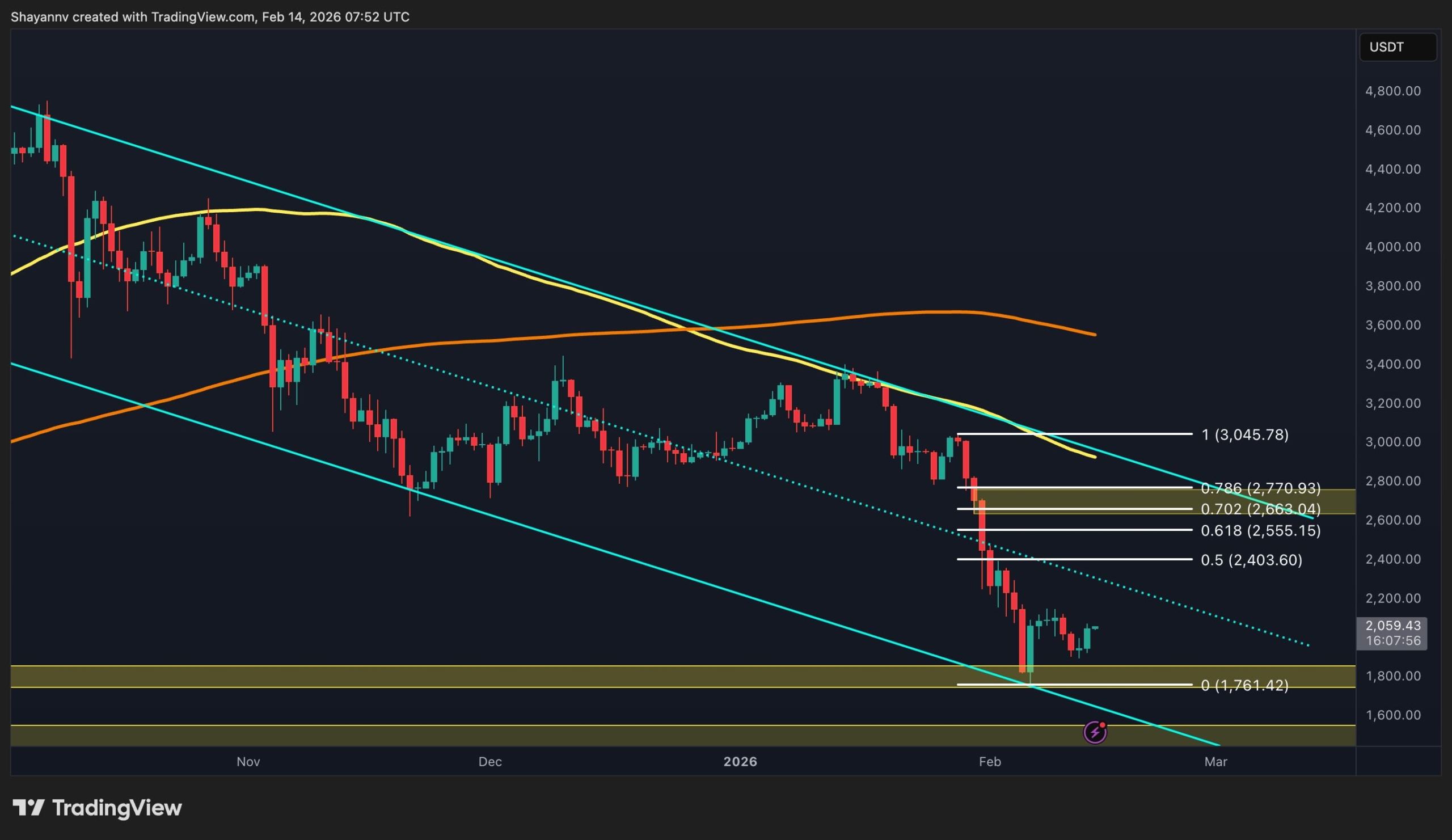
Ethereum Price Analysis: ETH Needs to Reclaim This Key Level to Flip the Script

OpenVPP accused of falsely advertising cooperation with the US government; SEC commissioner clarifies no involvement
