South Korea’s government is set to fast-track pro-business crypto reforms, including stablecoin regulations. The South Korean newspaper Metro Seoul reported that the Presidential Committee on State Affairs announced its plans at a public briefing on August 13. South Korea Crypto Reform Taking Shape The committee spoke of a five-year plan for state administration, naming 123 state affairs-related tasks. Among these tasks named were “the construction of a digital asset ecosystem” and “developing the domestic cryptoasset market.” Both were identified as “key national tasks” for the administration, which took office in early June this year following the election of President Lee Jae-myung. President Lee Jae Myung on Wednesday laid out a sweeping five-year policy agenda, detailing 123 national tasks ranging from constitutional reform to industrial growth and market fairness. https://t.co/52cb7gzOvi — The Korea JoongAng Daily (@JoongAngDaily) August 13, 2025 Lee has spoken repeatedly about his intention to build up the domestic crypto sector, with deregulation and stablecoin regulation high on his agenda. The President appears keen to let domestic firms issue won-pegged stablecoins . Leading banks and IT companies have reacted by registering scores of stablecoin-related trademarks . Others are hurriedly rolling out crypto-related business plans, aware that this may allow non-financial firms to develop advanced payment platforms. However, one of President Lee’s key campaign pledges was left off the five-year plan, namely the dissolution of the Financial Services Commission (FSC). The FSC is the nation’s top financial regulator. Its Financial Intelligence Unit (FIU) polices the country’s crypto exchanges , issuing operating permits and conducting periodic on-site inspections. It also enforces anti-money laundering and terrorist financing protocols at the trading platforms. The Government Complex Building in Seoul, South Korea. (Source: Seoul Institute [CC BY 4.0]) FSC: Vociferous Critic No More? In previous years, the FSC has been a vociferous critic of the crypto sector. But in recent years, as governments have relaxed their hardline stance to the industry, it has spoken in favor of reform. Under the proposal, FSC’s supervisory duties were to transfer to the Financial Supervisory Service. The FSC’s policy-related tasks were due to transfer to the Ministry of Strategy and Finance. But Lee’s plan to scrap the FSC proved controversial, even among senior ministers. While his offices have yet to confirm that the President has shelved the policy, the five-year plan appeared to suggest the proposal may have moved to the back burner. There was no mention of the regulatory reorganization move on the plan. And seven of the 123 tasks were assigned to the FSC. The newspaper added that crypto reforms are a “key focus” for both the government and the National Assembly this year. As such, reforms are “expected to gain momentum” in the weeks ahead, Metro Seoul wrote. ‘Time to Play Catch-up’ Political leaders are concerned that South Korea is being left behind. They note that over the past two years, the global crypto market has expanded by about 262%. While crypto investment has spiked in the US, the European Union, and Japan, driven by institutionalization drives, the same cannot be said for Seoul. The outlet wrote: “Delayed institutional reforms and a lack of legislation in South Korea have left the domestic cryptoasset market significantly lagging in terms of competitiveness.” South Korea says President Lee Jae Myung to visit Japan this month https://t.co/PmtmRcPibF — Nikkei Asia (@NikkeiAsia) August 13, 2025 The FSC has prioritized its plan to allow corporations to buy and sell crypto. It also wants to tak a “more relaxed approach” to regulations. The regulator has previously spoken of its intention to roll out crypto-related regulations before the end of this year. However, skeptics say that a final decision on the fate of the FSC is yet to be taken. Talks to abolish the regulator “may resume in the future,” the newspaper explained. Unnamed financial sector officials opined that the debate over the reorganization of the financial regulators would “continue until the end of the year.” Earlier this month, the Seoul district of Gangnam announced it had recouped $144,057 in unpaid taxes in the first half of this year by seizing coins from tax evaders .South Korea’s government is set to fast-track pro-business crypto reforms, including stablecoin regulations. The South Korean newspaper Metro Seoul reported that the Presidential Committee on State Affairs announced its plans at a public briefing on August 13. South Korea Crypto Reform Taking Shape The committee spoke of a five-year plan for state administration, naming 123 state affairs-related tasks. Among these tasks named were “the construction of a digital asset ecosystem” and “developing the domestic cryptoasset market.” Both were identified as “key national tasks” for the administration, which took office in early June this year following the election of President Lee Jae-myung. President Lee Jae Myung on Wednesday laid out a sweeping five-year policy agenda, detailing 123 national tasks ranging from constitutional reform to industrial growth and market fairness. https://t.co/52cb7gzOvi — The Korea JoongAng Daily (@JoongAngDaily) August 13, 2025 Lee has spoken repeatedly about his intention to build up the domestic crypto sector, with deregulation and stablecoin regulation high on his agenda. The President appears keen to let domestic firms issue won-pegged stablecoins . Leading banks and IT companies have reacted by registering scores of stablecoin-related trademarks . Others are hurriedly rolling out crypto-related business plans, aware that this may allow non-financial firms to develop advanced payment platforms. However, one of President Lee’s key campaign pledges was left off the five-year plan, namely the dissolution of the Financial Services Commission (FSC). The FSC is the nation’s top financial regulator. Its Financial Intelligence Unit (FIU) polices the country’s crypto exchanges , issuing operating permits and conducting periodic on-site inspections. It also enforces anti-money laundering and terrorist financing protocols at the trading platforms. The Government Complex Building in Seoul, South Korea. (Source: Seoul Institute [CC BY 4.0]) FSC: Vociferous Critic No More? In previous years, the FSC has been a vociferous critic of the crypto sector. But in recent years, as governments have relaxed their hardline stance to the industry, it has spoken in favor of reform. Under the proposal, FSC’s supervisory duties were to transfer to the Financial Supervisory Service. The FSC’s policy-related tasks were due to transfer to the Ministry of Strategy and Finance. But Lee’s plan to scrap the FSC proved controversial, even among senior ministers. While his offices have yet to confirm that the President has shelved the policy, the five-year plan appeared to suggest the proposal may have moved to the back burner. There was no mention of the regulatory reorganization move on the plan. And seven of the 123 tasks were assigned to the FSC. The newspaper added that crypto reforms are a “key focus” for both the government and the National Assembly this year. As such, reforms are “expected to gain momentum” in the weeks ahead, Metro Seoul wrote. ‘Time to Play Catch-up’ Political leaders are concerned that South Korea is being left behind. They note that over the past two years, the global crypto market has expanded by about 262%. While crypto investment has spiked in the US, the European Union, and Japan, driven by institutionalization drives, the same cannot be said for Seoul. The outlet wrote: “Delayed institutional reforms and a lack of legislation in South Korea have left the domestic cryptoasset market significantly lagging in terms of competitiveness.” South Korea says President Lee Jae Myung to visit Japan this month https://t.co/PmtmRcPibF — Nikkei Asia (@NikkeiAsia) August 13, 2025 The FSC has prioritized its plan to allow corporations to buy and sell crypto. It also wants to tak a “more relaxed approach” to regulations. The regulator has previously spoken of its intention to roll out crypto-related regulations before the end of this year. However, skeptics say that a final decision on the fate of the FSC is yet to be taken. Talks to abolish the regulator “may resume in the future,” the newspaper explained. Unnamed financial sector officials opined that the debate over the reorganization of the financial regulators would “continue until the end of the year.” Earlier this month, the Seoul district of Gangnam announced it had recouped $144,057 in unpaid taxes in the first half of this year by seizing coins from tax evaders .

South Korea Takes Another Step Toward Crypto Reform Amid Talk of Regulatory Shake-up

3 min read

South Korea’s government is set to fast-track pro-business crypto reforms, including stablecoin regulations.

The South Korean newspaper Metro Seoul reported that the Presidential Committee on State Affairs announced its plans at a public briefing on August 13.

South Korea Crypto Reform Taking Shape

The committee spoke of a five-year plan for state administration, naming 123 state affairs-related tasks.

Among these tasks named were “the construction of a digital asset ecosystem” and “developing the domestic cryptoasset market.”

Both were identified as “key national tasks” for the administration, which took office in early June this year following the election of President Lee Jae-myung.

Lee has spoken repeatedly about his intention to build up the domestic crypto sector, with deregulation and stablecoin regulation high on his agenda.

The President appears keen to let domestic firms issue won-pegged stablecoins. Leading banks and IT companies have reacted by registering scores of stablecoin-related trademarks.

Others are hurriedly rolling out crypto-related business plans, aware that this may allow non-financial firms to develop advanced payment platforms.

However, one of President Lee’s key campaign pledges was left off the five-year plan, namely the dissolution of the Financial Services Commission (FSC).

The FSC is the nation’s top financial regulator. Its Financial Intelligence Unit (FIU) polices the country’s crypto exchanges, issuing operating permits and conducting periodic on-site inspections.

It also enforces anti-money laundering and terrorist financing protocols at the trading platforms.
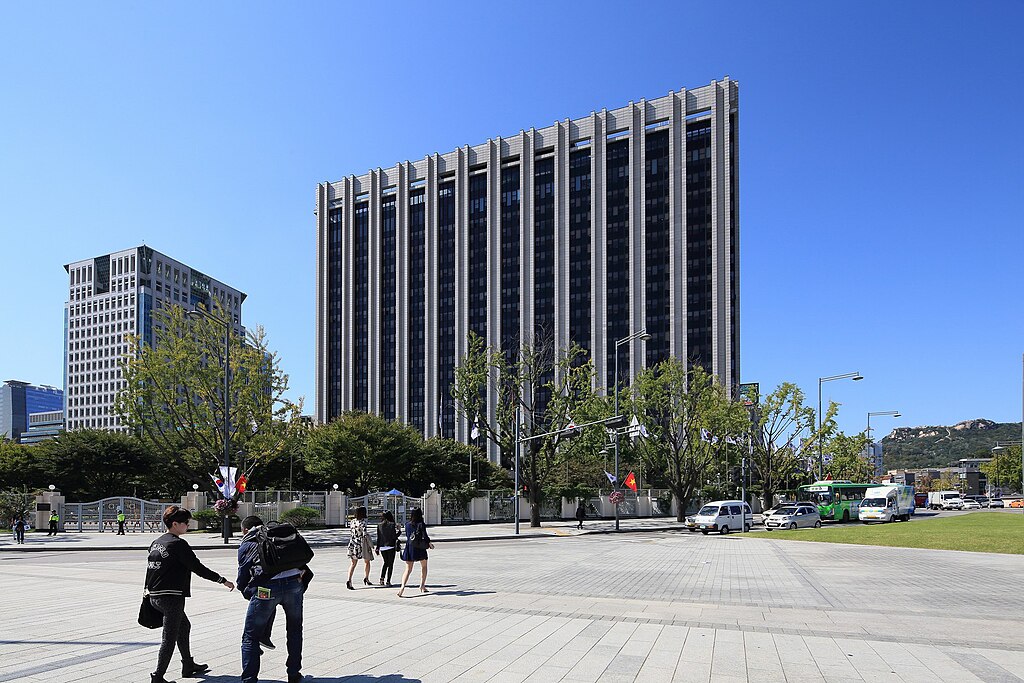
The Government Complex Building in Seoul, South Korea, where South Korea crypto reform is taking a step forward.The Government Complex Building in Seoul, South Korea. (Source: Seoul Institute [CC BY 4.0])

FSC: Vociferous Critic No More?

In previous years, the FSC has been a vociferous critic of the crypto sector. But in recent years, as governments have relaxed their hardline stance to the industry, it has spoken in favor of reform.

Under the proposal, FSC’s supervisory duties were to transfer to the Financial Supervisory Service.

The FSC’s policy-related tasks were due to transfer to the Ministry of Strategy and Finance.

But Lee’s plan to scrap the FSC proved controversial, even among senior ministers. While his offices have yet to confirm that the President has shelved the policy, the five-year plan appeared to suggest the proposal may have moved to the back burner.

There was no mention of the regulatory reorganization move on the plan. And seven of the 123 tasks were assigned to the FSC.

The newspaper added that crypto reforms are a “key focus” for both the government and the National Assembly this year.

As such, reforms are “expected to gain momentum” in the weeks ahead, Metro Seoul wrote.

‘Time to Play Catch-up’

Political leaders are concerned that South Korea is being left behind. They note that over the past two years, the global crypto market has expanded by about 262%.

While crypto investment has spiked in the US, the European Union, and Japan, driven by institutionalization drives, the same cannot be said for Seoul. The outlet wrote:

The FSC has prioritized its plan to allow corporations to buy and sell crypto. It also wants to tak a “more relaxed approach” to regulations.

The regulator has previously spoken of its intention to roll out crypto-related regulations before the end of this year.

However, skeptics say that a final decision on the fate of the FSC is yet to be taken. Talks to abolish the regulator “may resume in the future,” the newspaper explained.

Unnamed financial sector officials opined that the debate over the reorganization of the financial regulators would “continue until the end of the year.”

Earlier this month, the Seoul district of Gangnam announced it had recouped $144,057 in unpaid taxes in the first half of this year by seizing coins from tax evaders.

Disclaimer: The articles reposted on this site are sourced from public platforms and are provided for informational purposes only. They do not necessarily reflect the views of MEXC. All rights remain with the original authors. If you believe any content infringes on third-party rights, please contact service@support.mexc.com for removal. MEXC makes no guarantees regarding the accuracy, completeness, or timeliness of the content and is not responsible for any actions taken based on the information provided. The content does not constitute financial, legal, or other professional advice, nor should it be considered a recommendation or endorsement by MEXC.

You May Also Like

Is Doge Losing Steam As Traders Choose Pepeto For The Best Crypto Investment?

Is Doge Losing Steam As Traders Choose Pepeto For The Best Crypto Investment?

The post Is Doge Losing Steam As Traders Choose Pepeto For The Best Crypto Investment? appeared on BitcoinEthereumNews.com. Crypto News 17 September 2025 | 17:39 Is dogecoin really fading? As traders hunt the best crypto to buy now and weigh 2025 picks, Dogecoin (DOGE) still owns the meme coin spotlight, yet upside looks capped, today’s Dogecoin price prediction says as much. Attention is shifting to projects that blend culture with real on-chain tools. Buyers searching “best crypto to buy now” want shipped products, audits, and transparent tokenomics. That frames the true matchup: dogecoin vs. Pepeto. Enter Pepeto (PEPETO), an Ethereum-based memecoin with working rails: PepetoSwap, a zero-fee DEX, plus Pepeto Bridge for smooth cross-chain moves. By fusing story with tools people can use now, and speaking directly to crypto presale 2025 demand, Pepeto puts utility, clarity, and distribution in front. In a market where legacy meme coin leaders risk drifting on sentiment, Pepeto’s execution gives it a real seat in the “best crypto to buy now” debate. First, a quick look at why dogecoin may be losing altitude. Dogecoin Price Prediction: Is Doge Really Fading? Remember when dogecoin made crypto feel simple? In 2013, DOGE turned a meme into money and a loose forum into a movement. A decade on, the nonstop momentum has cooled; the backdrop is different, and the market is far more selective. With DOGE circling ~$0.268, the tape reads bearish-to-neutral for the next few weeks: hold the $0.26 shelf on daily closes and expect choppy range-trading toward $0.29–$0.30 where rallies keep stalling; lose $0.26 decisively and momentum often bleeds into $0.245 with risk of a deeper probe toward $0.22–$0.21; reclaim $0.30 on a clean daily close and the downside bias is likely neutralized, opening room for a squeeze into the low-$0.30s. Source: CoinMarketcap / TradingView Beyond the dogecoin price prediction, DOGE still centers on payments and lacks native smart contracts; ZK-proof verification is proposed,…
Share
BitcoinEthereumNews2025/09/18 00:14
The United Nations launches the "Global Dialogue on Artificial Intelligence Governance" mechanism

The United Nations launches the "Global Dialogue on Artificial Intelligence Governance" mechanism
PANews reported on September 26th that, according to CCTV News, the United Nations held a high-level meeting on the 25th local time to launch the "Global Dialogue on Artificial Intelligence Governance." In his speech, UN Secretary-General António Guterres described it as a major global platform for focusing on this transformative technology. Guterres stated that the goals of the global dialogue are clear: to help build safe, reliable, and trustworthy AI systems based on international law, human rights, and effective oversight; to promote synergy between governance systems, aligning rules, reducing barriers, and fostering economic cooperation; and to encourage open innovation, including open source tools, that is accessible to all.
Share
PANews2025/09/26 14:49
XRPL Validator Reveals Why He Just Vetoed New Amendment

XRPL Validator Reveals Why He Just Vetoed New Amendment

Vet has explained that he has decided to veto the Token Escrow amendment to prevent breaking things
Share
Coinstats2025/09/18 00:28