

Anthropic Opus 4.6 Unleashes Revolutionary ‘Agent Teams’ for Unprecedented AI Collaboration
BitcoinWorld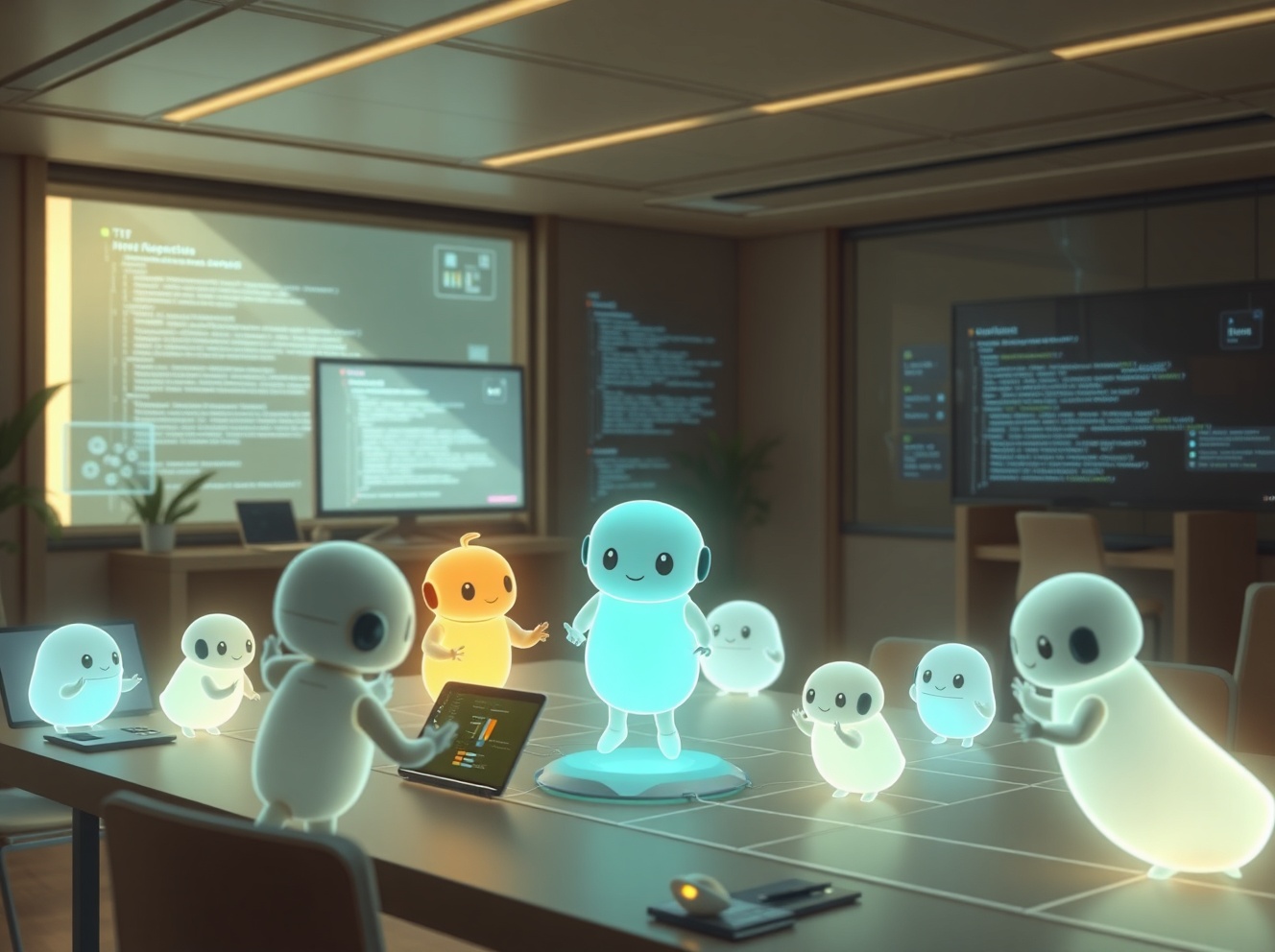
Anthropic Opus 4.6 Unleashes Revolutionary ‘Agent Teams’ for Unprecedented AI Collaboration
San Francisco, CA – Anthropic has launched Opus 4.6, its most advanced AI model yet, featuring a groundbreaking ‘agent teams’ capability that fundamentally changes how artificial intelligence systems collaborate and solve complex problems. This release represents a significant evolution in AI architecture, moving beyond single-agent systems to coordinated multi-agent networks that promise to accelerate development workflows and expand AI accessibility across industries.
Anthropic Opus 4.6 Introduces Revolutionary Agent Teams
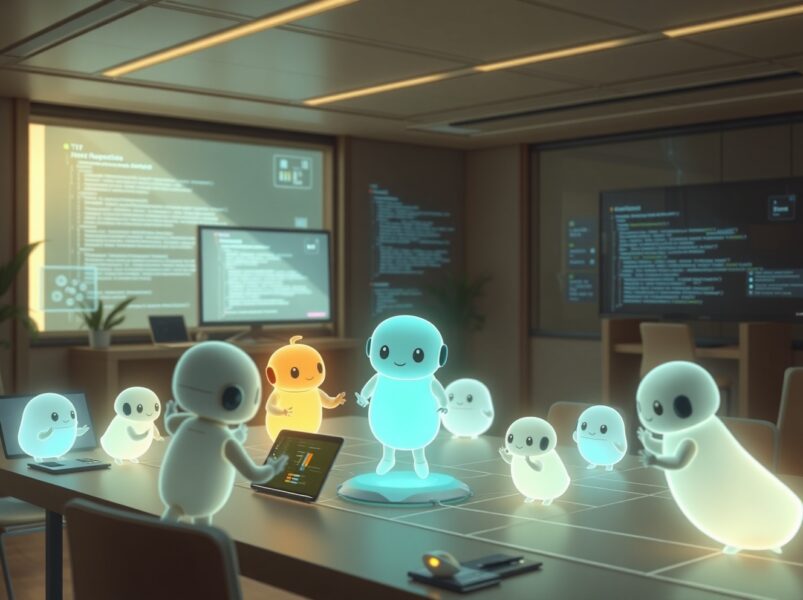
Anthropic’s latest model release marks a paradigm shift in AI system design. The company has introduced what it calls ‘agent teams’ – coordinated groups of specialized AI agents that can divide complex tasks into parallel workflows. This approach mirrors how human teams operate but at computational speeds impossible for biological systems. Instead of a single AI agent processing tasks sequentially, multiple agents now work simultaneously on different aspects of a problem.
Scott White, Head of Product at Anthropic, explained the innovation’s significance. “Our agent teams function like a talented human team working for you,” White stated. “Each agent owns its specific piece of the workflow while coordinating directly with others. This parallel coordination dramatically accelerates task completion.” The system currently operates in research preview for API users, allowing developers to experiment with this new collaborative architecture.
Expanded Context Window and Enhanced Capabilities
Opus 4.6 brings substantial technical improvements beyond its collaborative features. The model now offers a 1 million token context window, matching what Anthropic’s Sonnet models currently provide. This expanded memory capacity enables more sophisticated work with larger codebases and document processing. Developers can now work with entire enterprise-scale applications in a single session, while researchers can process lengthy academic papers or technical documentation more effectively.
The context window expansion represents a strategic move by Anthropic. Previously, Opus models focused primarily on software development excellence. Now, the company is broadening its appeal to diverse knowledge workers. White noted this shift during the announcement. “We’ve observed many non-developers using Claude Code because it serves as an exceptional task engine,” he revealed. “Opus has evolved from a domain-specific tool into a versatile platform for various professional applications.”
PowerPoint Integration and Enterprise Applications
Anthropic has significantly enhanced Claude’s integration with Microsoft PowerPoint. The new version features a directly accessible side panel within the presentation software. This represents a substantial improvement over previous implementations. Previously, users could instruct Claude to create PowerPoint decks, but editing required file transfers between applications. Now, presentation creation and refinement happen entirely within PowerPoint, with Claude providing real-time assistance.
This integration demonstrates Anthropic’s commitment to practical workplace applications. The company recognizes that AI tools must integrate seamlessly into existing workflows to achieve widespread adoption. By embedding Claude directly into PowerPoint, Anthropic reduces friction for business users who need to create presentations quickly and professionally. This move positions Opus 4.6 as a productivity tool rather than just a development platform.
Industry Impact and User Adoption Patterns
Anthropic’s data reveals interesting adoption patterns for its AI systems. While software engineers remain core users, the company has observed significant uptake among other professionals. Product managers, financial analysts, and specialists from various industries now regularly use Claude for complex tasks. This broadening user base influenced Opus 4.6’s development direction. The model now balances technical excellence with accessibility for non-technical users.
The agent teams feature particularly benefits enterprise environments. Large organizations often face complex, multi-faceted challenges requiring coordinated solutions. Traditional single-agent AI systems struggle with such complexity. Anthropic’s new approach allows different agents to specialize in specific aspects of a problem while maintaining coordination. This architecture better matches how large organizations naturally operate, with different departments or teams focusing on specific components of larger initiatives.
Technical Architecture and Implementation Details
Anthropic’s agent teams operate on a sophisticated coordination framework. The system includes mechanisms for task decomposition, agent assignment, progress monitoring, and result integration. Each agent maintains awareness of others’ progress and can request assistance or provide updates as needed. This creates a dynamic, adaptive workflow that responds to changing requirements and unexpected challenges.
The technical implementation represents significant engineering achievement. Creating stable, reliable multi-agent systems presents numerous challenges, including communication overhead, synchronization issues, and error propagation management. Anthropic’s solution appears to address these concerns effectively, based on early testing results. The company has implemented safeguards to prevent common multi-agent system failures while maintaining performance advantages.
Market Context and Competitive Landscape
Anthropic’s release comes during intense competition in the AI sector. Major technology companies continue advancing their AI capabilities while startups introduce innovative approaches. Opus 4.6 positions Anthropic strongly in this competitive environment. The agent teams feature represents a distinctive innovation not yet widely available from competitors. This differentiation could prove valuable as organizations seek AI solutions matching their operational structures.
The expanded context window also addresses a key competitive dimension. AI models increasingly compete on context capacity, as larger windows enable more sophisticated applications. Anthropic’s decision to match its Sonnet models’ capacity with Opus 4.6 suggests strategic positioning. The company may be preparing for applications requiring both high intelligence (Opus’s traditional strength) and extensive context handling.
Development Philosophy and Ethical Considerations
Anthropic has maintained its characteristic focus on safety and reliability throughout Opus 4.6’s development. The company’s constitutional AI approach influences all its releases. This methodology emphasizes alignment with human values and careful testing before deployment. The agent teams architecture includes specific safeguards against coordination failures or unintended behaviors. These precautions reflect Anthropic’s commitment to responsible AI development.
The company has also considered accessibility implications. While Opus remains Anthropic’s most advanced model, the company continues working to make powerful AI tools available to diverse users. The PowerPoint integration and broader application focus demonstrate this commitment. Anthropic appears determined to avoid creating AI systems usable only by technical experts, instead developing tools benefiting various professionals.
Future Development and Research Directions
Anthropic’s rapid release cadence – Opus 4.5 launched just last November – indicates active development. The company appears focused on both incremental improvements and architectural innovations. Future releases may expand agent teams capabilities, enhance coordination mechanisms, or introduce new specialization options. The research preview status suggests ongoing refinement based on user feedback and testing results.
The broader AI research community will likely study Anthropic’s approach closely. Multi-agent systems represent an important research direction with implications beyond immediate commercial applications. Successful implementations could influence how AI systems are designed across the industry. Anthropic’s willingness to deploy such systems in production environments provides valuable real-world data for researchers studying collaborative AI architectures.
Conclusion
Anthropic Opus 4.6 represents a significant advancement in AI system design through its innovative agent teams architecture. This release transforms how AI systems approach complex tasks by enabling parallel, coordinated work across specialized agents. Combined with expanded context windows and enhanced application integrations, Opus 4.6 positions Anthropic strongly in the competitive AI landscape. The model’s broadening appeal beyond software development suggests AI’s expanding role across professional domains. As organizations increasingly adopt AI tools, architectures supporting collaborative problem-solving will likely prove increasingly valuable.
FAQs
Q1: What are agent teams in Anthropic Opus 4.6?
Agent teams are coordinated groups of specialized AI agents that divide complex tasks into parallel workflows, working simultaneously on different aspects while maintaining coordination, similar to how human teams operate but at computational speeds.
Q2: How does the context window improvement benefit users?
The expanded 1 million token context window allows users to work with larger codebases, process extensive documents, and maintain longer conversations without losing context, enabling more sophisticated applications and reducing the need for work segmentation.
Q3: What industries benefit most from Opus 4.6’s new features?
While software development remains a primary application, the model now serves product managers, financial analysts, researchers, and professionals across various industries who need to process complex information or coordinate multi-faceted projects.
Q4: How does the PowerPoint integration work?
Claude now integrates directly into PowerPoint as an accessible side panel, allowing users to create and edit presentations entirely within the application with AI assistance, eliminating the need for file transfers between different programs.
Q5: Is Opus 4.6 available to all users immediately?
The agent teams feature is currently in research preview for API users, allowing developers to experiment with the technology while Anthropic gathers feedback and refines the implementation before broader release.
This post Anthropic Opus 4.6 Unleashes Revolutionary ‘Agent Teams’ for Unprecedented AI Collaboration first appeared on BitcoinWorld.
You May Also Like

Woman shot 5 times by DHS to stare down Trump at State of the Union address

What is Play-to-Earn Gaming? Unlocking New Possibilities
