Vivian Wilson, the estranged daughter of Tesla CEO Elon Musk, publicly corroborated a damaging detail from newly released Jeffrey Epstein files, confirming her Vivian Wilson, the estranged daughter of Tesla CEO Elon Musk, publicly corroborated a damaging detail from newly released Jeffrey Epstein files, confirming her

Musk’s estranged daughter confirms Epstein email detail after file dump

1 min read

Vivian Wilson, the estranged daughter of Tesla CEO Elon Musk, publicly corroborated a damaging detail from newly released Jeffrey Epstein files, confirming her family was in St. Barth’s during the same 2013 holiday period referenced in emails showing Musk seeking a visit to Epstein’s private island. Writing on Threads, Wilson said the emails appeared authentic and blasted her father’s efforts to dismiss them as “out of context,” undercutting Musk’s prior claims that he had declined repeated invitations from Epstein. The confirmation added to growing scrutiny after Justice Department records revealed Musk asking about visiting the area, with Epstein offering to “send heli,” and contradicted other Musk denials — including claims Epstein never toured a SpaceX facility — prompting supporters to urge Wilson to protect herself as fallout from the disclosures intensified.

Watch the video below.

Your browser does not support the video tag. Musk’s estranged daughter confirms Epstein email detail after file dump Musk’s estranged daughter confirms Epstein email detail after file dump

Disclaimer: The articles reposted on this site are sourced from public platforms and are provided for informational purposes only. They do not necessarily reflect the views of MEXC. All rights remain with the original authors. If you believe any content infringes on third-party rights, please contact service@support.mexc.com for removal. MEXC makes no guarantees regarding the accuracy, completeness, or timeliness of the content and is not responsible for any actions taken based on the information provided. The content does not constitute financial, legal, or other professional advice, nor should it be considered a recommendation or endorsement by MEXC.
Tags:

You May Also Like

Cashing In On University Patents Means Giving Up On Our Innovation Future
Cashing In On University Patents Means Giving Up On Our Innovation Future

The post Cashing In On University Patents Means Giving Up On Our Innovation Future appeared on BitcoinEthereumNews.com. “It’s a raid on American innovation that would deliver pennies to the Treasury while kneecapping the very engine of our economic and medical progress,” writes Pipes. Getty Images Washington is addicted to taxing success. Now, Commerce Secretary Howard Lutnick is floating a plan to skim half the patent earnings from inventions developed at universities with federal funding. It’s being sold as a way to shore up programs like Social Security. In reality, it’s a raid on American innovation that would deliver pennies to the Treasury while kneecapping the very engine of our economic and medical progress. Yes, taxpayer dollars support early-stage research. But the real payoff comes later—in the jobs created, cures discovered, and industries launched when universities and private industry turn those discoveries into real products. By comparison, the sums at stake in patent licensing are trivial. Universities collectively earn only about $3.6 billion annually in patent income—less than the federal government spends on Social Security in a single day. Even confiscating half would barely register against a $6 trillion federal budget. And yet the damage from such a policy would be anything but trivial. The true return on taxpayer investment isn’t in licensing checks sent to Washington, but in the downstream economic activity that federally supported research unleashes. Thanks to the bipartisan Bayh-Dole Act of 1980, universities and private industry have powerful incentives to translate early-stage discoveries into real-world products. Before Bayh-Dole, the government hoarded patents from federally funded research, and fewer than 5% were ever licensed. Once universities could own and license their own inventions, innovation exploded. The result has been one of the best returns on investment in government history. Since 1996, university research has added nearly $2 trillion to U.S. industrial output, supported 6.5 million jobs, and launched more than 19,000 startups. Those companies pay…
Share
BitcoinEthereumNews2025/09/18 03:26
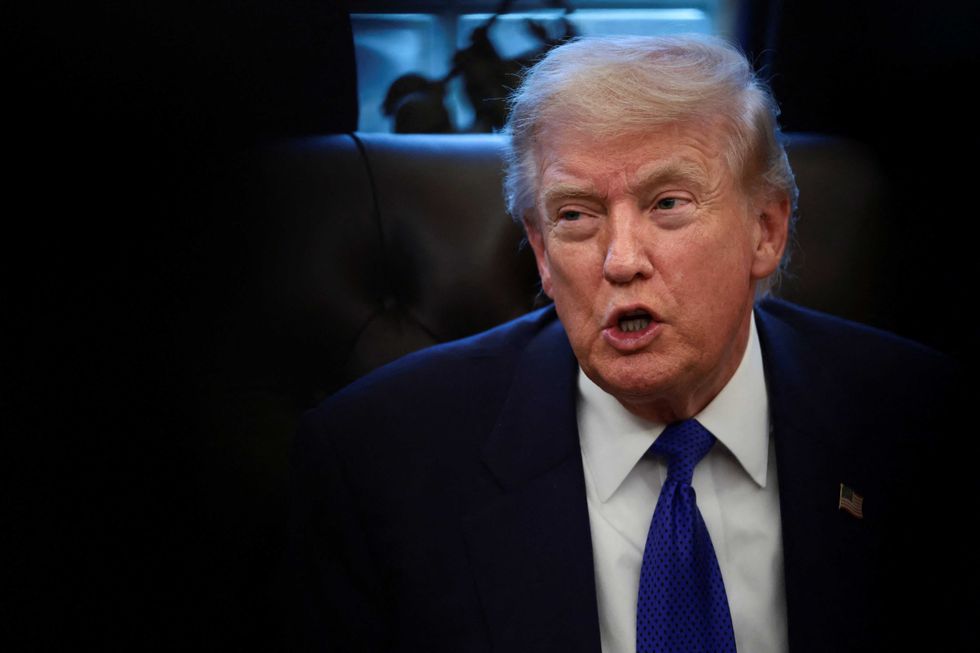
Trump foe devises plan to starve him of what he 'craves' most

Trump foe devises plan to starve him of what he 'craves' most

A longtime adversary of President Donald Trump has a plan for a key group to take away what Trump craves the most — attention. EX-CNN journalist Jim Acosta, who
Share
Rawstory2026/02/04 01:19
Why Bitcoin Is Struggling: 8 Factors Impacting Crypto Markets

Why Bitcoin Is Struggling: 8 Factors Impacting Crypto Markets

Failed blockchain adoption narratives and weak fee capture have undercut confidence in major crypto projects.
Share
CryptoPotato2026/02/04 01:05