

Interest Rates for Traders: The FOMC Playbook Most Beginners Miss
Interest Rates for Traders: The FOMC Playbook Most Beginners Miss
Markets don’t move because interest rates change — they move because expectations do. And every single beginner trader misses that difference.
If you’ve ever watched Bitcoin, stocks, or forex explode before an interest rate decision — or dump after “good news” — you’ve already felt the power of the Federal Open Market Committee (FOMC)… without understanding it.
This article breaks down how interest rates actually move markets, why FOMC meetings are trader liquidity events, and the exact playbook professionals use that beginners never learn.
Whether you trade crypto, equities, indices, or FX, this is the missing framework you need.
What Is the FOMC?
The Federal Open Market Committee (FOMC) is the policy-making arm of the U.S. Federal Reserve responsible for:
- Setting interest rates (Fed Funds Rate)
- Managing liquidity conditions
- Guiding inflation expectations
- Influencing global risk assets
Why this matters to traders
The U.S. dollar is the world’s reserve currency.
When the Fed changes policy, every major market reacts:
- S&P 500
- Nasdaq
- Bitcoin & crypto
- Gold
- Forex pairs
- Bonds & yields
Interest rates are the price of money.
When that price changes — or is expected to change — capital moves.
Interest Rates Explained Simply
Think of interest rates like gravity.
- Low rates → money flows into risk assets
- High rates → money flows into safety
What happens when rates rise?
- Borrowing becomes more expensive
- Liquidity tightens
- Valuations compress
- Risk assets struggle
What happens when rates fall?
- Capital becomes cheaper
- Leverage increases
- Speculation rises
- Risk assets thrive
This is why rate cycles and market cycles are inseparable.
The #1 Mistake Beginner Traders Make With FOMC
Most beginners think:
“If the Fed cuts rates, markets go up. If they hike, markets go down.”
That thinking gets traders liquidated.
Reality:
Markets move based on:
- Expectations
- Forward guidance
- Powell’s tone
- Dot plot projections
- Liquidity positioning
The decision itself matters less than the surprise.
The FOMC Playbook (How Pros Actually Trade It)
Professional traders break FOMC into four phases:
The FOMC PlaybookLet’s break each one down:
Phase 1: Pre-FOMC Expectations (Weeks Before the Meeting)
Markets price in rate decisions weeks in advance.
Tools professionals use:
- CME FedWatch Tool
- Treasury yields (2Y & 10Y)
- Dollar Index (DXY)
- Risk sentiment indicators
Example:
If FedWatch shows a 90% probability of a rate cut, that cut is already priced in.
So when it happens?
- Markets often sell the news
Phase 2: Liquidity Positioning (Days Before FOMC)
This is where most traps are set.
What typically happens:
- Volatility compresses
- Price ranges tighten
- Fake breakouts increase
- Retail traders over-leverage
This is because:
Institutions wait.
Retail trades noise.
This is not the time to predict direction — it’s the time to mark liquidity levels.
Phase 3: The Rate Decision (The 2:00 PM Trap)
At 2:00 PM ET, the Fed releases:
- Interest rate decision
- Policy statement
- Dot plot (quarterly)
What you’ll often see:
- Violent spike up
- Immediate reversal
- Stop hunts in both directions
This is algorithmic trading, not sentiment.
If you trade the first 5 minutes, you’re trading against machines.
Phase 4: Powell’s Press Conference (The Real Trade)
This is where trends are born.
Jerome Powell’s language matters more than the rate decision itself.
Traders listen for:
- “Data dependent”
- “Restrictive”
- “Higher for longer”
- “Financial conditions”
- “Inflation progress”
Markets move on tone, not headlines.
Real Case Study: FOMC vs Bitcoin (2022–2024)
2022: Aggressive Hiking Cycle
- Rates rose rapidly
- Liquidity drained
- Bitcoin fell from $69K → $15K
Not because of crypto fundamentals — but monetary tightening.
2023: Pause Narrative Begins
- Rate hikes slow
- Market anticipates cuts
- Bitcoin rallies 300%+
Markets moved before cuts happened.
2024: “Higher for Longer” Shock
- Powell signals caution
- Risk assets stall
- Volatility spikes
This is expectations vs reality in action.
Interest Rates and Crypto: The Hidden Correlation
Crypto traders often ignore interest rates — and pay for it.
Why rates matter for crypto
- Stablecoin yields compete with DeFi
- Liquidity determines speculative appetite
- Bitcoin trades like a liquidity asset, not a currency
When real yields rise, crypto struggles.
When real yields fall, crypto breathes.
The Economic Calendar Every Trader Must Track
Bookmark this. No excuses.
High-Impact Rate Events:
- FOMC Rate Decisions (8x/year)
- FOMC Minutes
- CPI (Inflation)
- PCE Inflation
- Non-Farm Payrolls (NFP)
- Jackson Hole Symposium
Pro Tip:
Markets often move harder on CPI than FOMC.
Sample FOMC Trading Calendar (Example)
Sample FOMC Trading Calendar(Always confirm dates via official Fed calendar)
How Beginners Should Trade FOMC (Safely)
This is the beginner-proof framework:
1. Do NOT predict direction
Let the market show its hand.
2. Reduce position size
Volatility kills over-leverage.
3. Trade after confirmation
Not during the announcement.
4. Watch correlated markets
DXY, yields, equities tell the truth.
Advanced Tip: Yield Curves & Risk Assets
Professionals track:
- 2-Year Treasury Yield
- 10-Year Treasury Yield
- Yield curve steepening / inversion
Because:
- Rising short-term yields = tightening
- Falling long-term yields = recession risk
- Risk assets respond accordingly
The Psychological Edge Most Traders Miss
FOMC events expose emotional traders.
- Fear of missing out
- Revenge trading
- Overconfidence
- News addiction
Pros stay flat. Beginners chase candles.
Frequently Asked Questions About Interest Rates & FOMC
Do interest rates affect crypto prices?
Yes. Interest rates influence liquidity, risk appetite, and capital flows, all of which directly impact crypto markets.
Why do markets move before FOMC decisions?
Markets price in expectations ahead of time using futures, yields, and macro data.
Is it safe to trade during FOMC?
For beginners, no. Volatility and algorithmic trading create high liquidation risk.
What matters more: rate decision or Powell’s speech?
Powell’s tone and forward guidance usually matter more than the rate decision itself.
Final Thoughts: Trade the Narrative, Not the Number
Interest rates are not a headline — they’re a system.
If you only watch:
- “Rate up or down”
You’ll always be late.
If you understand:
- Expectations
- Liquidity
- Positioning
- Narrative shifts
You trade with institutions, not against them.
That’s the FOMC playbook most beginners never learn — until it’s too late.
If this helped you, clap, bookmark and share with another trader who still trades headlines.
Because markets don’t reward predictions — they reward preparation.
Interest Rates for Traders: The FOMC Playbook Most Beginners Miss was originally published in Coinmonks on Medium, where people are continuing the conversation by highlighting and responding to this story.
You May Also Like

Three dormant wallets, suspected to belong to the same entity, purchased 5,970 ETH eight hours ago.
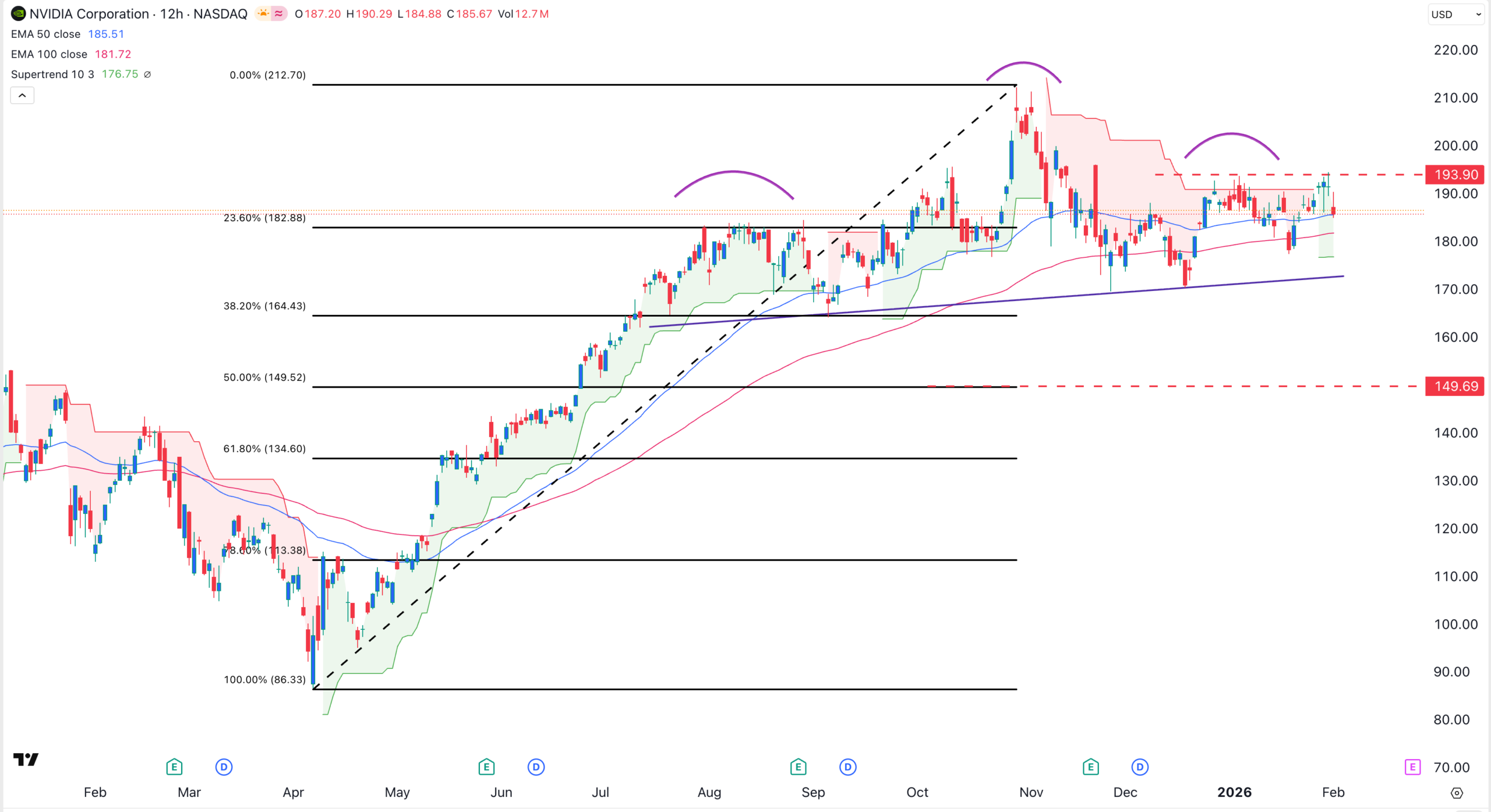
NVIDIA Stock Price Analysis as OpenAI Issues Concerns About its Chips
