

Top 5 Stablecoin Myths Debunked by Columbia Professor
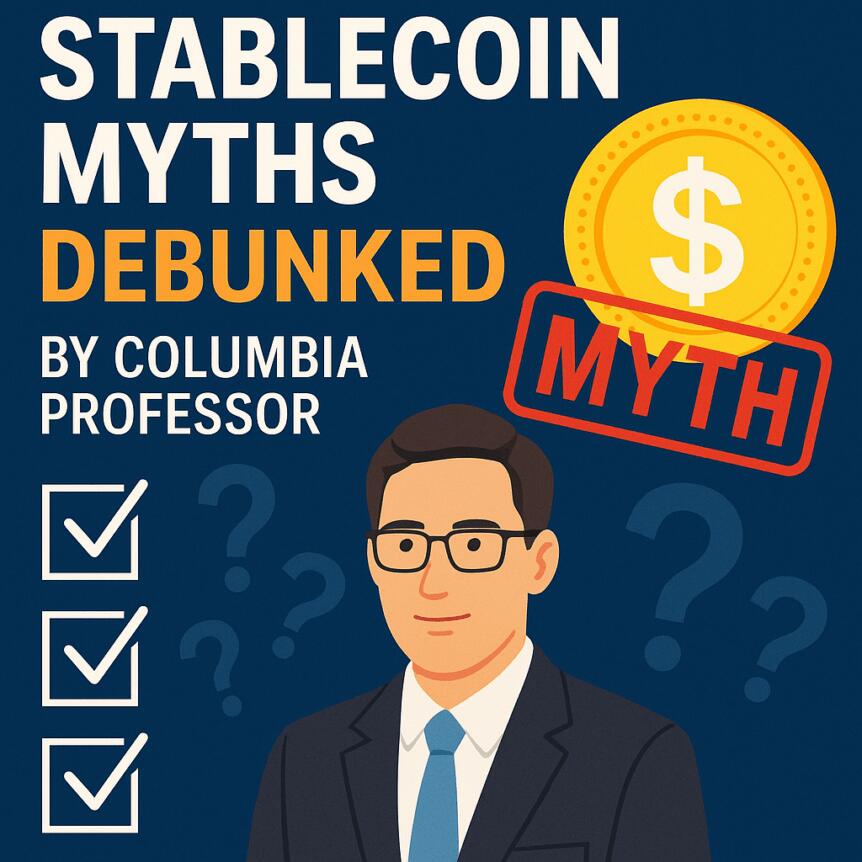
Congress Urged to Prioritize Consumers Over Banking Industry Myths on Stablecoin Yields
The debate over stablecoin yields continues to influence US regulatory discussions, with experts arguing that the banking sector is propagating unfounded claims to protect profits. Crypto lecturer and author Omid Malekan asserts that Congress should focus on consumer interests rather than bowing to banking industry myths, which threaten to stall vital market legislation.
Key Takeaways
- Banking lobbyists claim stablecoin yields pose a risk to traditional deposits, but experts challenge this narrative, asserting it’s misleading.
- Stablecoins may actually foster increased banking activity, especially through foreign demand and reserve holdings in Treasury bills.
- Most US lending originates from non-bank sources, which could benefit from stablecoin adoption, rather than banks being directly threatened.
- Large “money center” banks, rather than community banks, are more vulnerable to stablecoin innovations, contrary to prevailing myths.
Tickers mentioned: none
Sentiment: Neutral
Price impact: Neutral. The ongoing legislative debate impacts regulatory clarity more than immediate price movements.
Amidst regulatory deliberations, the primary concern from banking lobbies revolves around a “yield bottleneck,” the debate over who profits from the interest earned on stablecoin reserves. Banks warn that if users earn risk-free yields of approximately 5% on stablecoins, billions could shift from traditional savings accounts, potentially destabilizing community banks. However, many analysts counter these claims, emphasizing that stablecoin growth is unlikely to diminish overall bank deposits and might even bolster banking activity due to increased demand from international users and reserve holdings.
Contrary to fears of a “deposit flight,” Malekan explains that stablecoins could catalyze additional banking transactions since issuers must hold reserves in Treasury bills and bank deposits. This would, in turn, generate more banking activity rather than diminish it. Furthermore, stablecoin competition is unlikely to impact bank lending, as most US credit is extended through non-bank entities like money market funds and private credit. These sectors could benefit from the lower Treasury rates and more efficient payment systems enabled by stablecoins.
Additionally, the myth that community and regional banks are especially vulnerable is challenged by experts who point out that the larger, “money center” banks are more at risk due to their substantial profit margins. Malekan criticizes the narrative pushed by large banks and crypto startups working together to protect their interests, stating it’s an effort to shield profits at the expense of savers and economic health.
He urges Congress to prioritize innovation and consumer protections over defending highly profitable banks. “Most concerns raised by the banking industry are unsubstantiated,” Malekan asserts, emphasizing the importance of regulatory transparency. Notably, Senate-related figures and industry players like Coinbase have warned that restrictive measures could hamper stablecoin innovations, with some threatening to withdraw support for proposed legislation such as the CLARITY Act.
John Deaton recommends a book by G. Edward Griffin that critiques the Federal Reserve System, suggesting it was created in secrecy by powerful individuals. Source: John E DeatonThis article was originally published as Top 5 Stablecoin Myths Debunked by Columbia Professor on Crypto Breaking News – your trusted source for crypto news, Bitcoin news, and blockchain updates.
You May Also Like
UK Lawmakers Push Starmer to Ban Crypto Donations Amid Foreign Interference Fears
SEC Approves Generic Listing Standards for Crypto ETFs
