

Crypto Fear & Greed Index Plunges to 20, Signaling Critical ‘Extreme Fear’ Phase for Investors
BitcoinWorld
Crypto Fear & Greed Index Plunges to 20, Signaling Critical ‘Extreme Fear’ Phase for Investors
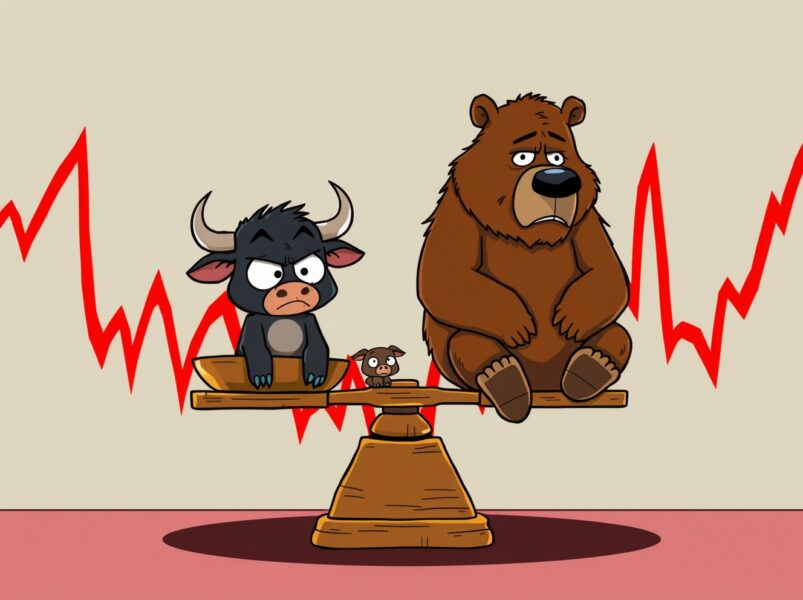
Global cryptocurrency markets entered a pronounced state of apprehension on March 21, 2025, as the widely monitored Crypto Fear & Greed Index registered a score of 20, firmly cementing investor sentiment in the ‘Extreme Fear’ territory. This critical benchmark, published by data provider Alternative.me, fell one point from the previous day, reflecting heightened anxiety across digital asset exchanges. The index serves as a crucial barometer, quantifying the emotional pulse of the market where a score approaching 0 indicates maximum fear and a score nearing 100 signals unchecked greed.
Decoding the Crypto Fear & Greed Index Mechanics
The Crypto Fear & Greed Index provides a composite snapshot of market psychology through a multifaceted calculation. Analysts derive its value from six distinct data sources, each weighted to paint an accurate picture. Market volatility and trading volume each contribute 25% to the final score, acting as primary indicators of trader nervousness and capital movement. Social media sentiment and survey data each account for 15%, capturing the narrative and crowd psychology surrounding major assets like Bitcoin and Ethereum.
Furthermore, the index incorporates Bitcoin’s market dominance (10%) and trends in Google search volume for cryptocurrency terms (10%). This methodology ensures the index reflects both on-chain activity and mainstream interest. When these components collectively trend downward, as they have recently, the index plunges into fear zones. Consequently, a score of 20 represents a market where caution overwhelmingly dominates speculative enthusiasm.
Historical Context and Market Parallels
Examining historical data reveals the significance of the current ‘Extreme Fear’ reading. The index famously hit single-digit levels during major capitulation events, such as the COVID-19 market crash of March 2020 and the collapse of the FTX exchange in November 2022. While the current level of 20 remains above those historic lows, it consistently correlates with periods of significant price consolidation and reduced trading activity. Market analysts often reference these phases as potential accumulation zones for long-term investors, though they caution that extreme fear can persist and deepen.
For instance, prolonged periods in the ‘Extreme Fear’ zone throughout 2022 preceded further substantial market declines. Therefore, this metric functions not as a timing tool but as a contextual gauge of emotional extremes. The current decline to 20 follows a gradual descent from a ‘Neutral’ reading earlier in the quarter, tracked alongside declining Bitcoin prices and rising macroeconomic uncertainties.
Expert Analysis on Sentiment Indicators
Financial researchers emphasize that sentiment indicators like the Fear & Greed Index are contrarian signals at their extremes. “Historically, sustained periods of extreme fear have often preceded market recoveries, as weak hands are shaken out,” notes Dr. Lena Vance, a behavioral finance economist at the Global Digital Asset Research Institute. “However, the index is a lagging composite. Investors must cross-reference it with on-chain fundamentals, such as exchange net flows and holder distribution, to avoid false signals.”
Data from blockchain analytics firms shows a corresponding trend: an increase in coins moving to long-term storage addresses, suggesting some investors are using the fear-driven price dip to accumulate assets. This on-chain activity provides a nuanced layer to the raw sentiment score, indicating that while retail sentiment is fearful, strategic actors may see opportunity.
Component Breakdown and Recent Drivers
The recent drop to 20 stems from negative movements across several of the index’s core components. Firstly, volatility has spiked due to unexpected regulatory announcements in several jurisdictions, contributing heavily to the fear score. Secondly, social media analysis shows a measurable increase in negative commentary and fear-driven keywords across platforms like X and Reddit.
The following table summarizes the index’s weighting and recent directional pressure:
| Component | Weight | Recent Trend (Contributing to Fear) |
|---|---|---|
| Volatility | 25% | Sharply Increased |
| Market Volume | 25% | Declining / Stagnant |
| Social Media | 15% | Overwhelmingly Negative |
| Surveys | 15% | Pessimistic Outlook |
| BTC Dominance | 10% | Rising (Flight to ‘Safety’) |
| Search Trends | 10% | Queries for ‘Crypto Crash’ Up |
This confluence of factors creates a self-reinforcing cycle. Negative price action fuels fearful social media posts, which in turn influences survey respondents and may deter new capital, reducing volume. The rising Bitcoin dominance specifically highlights a flight to the perceived relative stability of the largest cryptocurrency amid fear in the broader altcoin market.
Potential Implications for Traders and the Market
An ‘Extreme Fear’ reading carries several practical implications for different market participants. For retail investors, it often signals a high-risk environment where emotional decision-making can lead to selling at a loss. For institutional players, it may trigger rebalancing of portfolios or the activation of dollar-cost averaging strategies. The market impact typically manifests in specific ways:
- Reduced Liquidity: Trading volumes often contract as participants move to the sidelines.
- Increased Correlation: Cryptocurrencies may move more in lockstep with traditional risk-off assets.
- Opportunistic Accumulation: Data shows large holders (‘whales’) sometimes increase buy orders during fear phases.
- Media Narrative Shift: News coverage tends to focus on losses and risks, amplifying the fear sentiment.
It is crucial to remember that the index measures current sentiment, not future price. While extreme fear can indicate a local bottom, it does not guarantee an immediate reversal. Markets can remain irrational and fearful far longer than investors can remain solvent, as the old adage warns. Therefore, using this index requires combining it with fundamental technical and on-chain analysis.
Conclusion
The Crypto Fear & Greed Index’s descent to a score of 20 provides a clear, quantitative measure of the ‘Extreme Fear’ gripping cryptocurrency investors. This sentiment, derived from volatility, volume, social data, and search trends, reflects the current cautious and risk-averse posture of the market. While historically such extremes have sometimes marked points of opportunity, they primarily serve as a warning about prevailing market psychology. Investors and observers should monitor whether subsequent data shows a stabilization or further decline in the index, as it will offer critical insight into whether the market is finding a floor or bracing for continued uncertainty. The Crypto Fear & Greed Index remains an essential tool for contextualizing price action within the powerful framework of collective market emotion.
FAQs
Q1: What does a Crypto Fear & Greed Index score of 20 mean?
A score of 20 falls within the ‘Extreme Fear’ range (0-25). It indicates that current market data—like volatility, social media sentiment, and trading volume—collectively reflects very high levels of investor anxiety and risk aversion.
Q2: Who creates the Crypto Fear & Greed Index and how often is it updated?
The index is created and published by the data platform Alternative.me. It is updated daily, providing a near real-time gauge of market sentiment based on the previous 24 hours of data.
Q3: Is the ‘Extreme Fear’ zone a good time to buy cryptocurrency?
While some contrarian investors view extreme fear as a potential buying opportunity, it is not a standalone signal. Historically, prices can fall further even when fear is high. Any investment decision should be based on comprehensive research, risk tolerance, and a long-term strategy, not just sentiment indicators.
Q4: How does Bitcoin’s market dominance affect the Fear & Greed Index?
Bitcoin dominance (BTC’s share of the total crypto market cap) accounts for 10% of the index. A rising dominance often occurs during fear periods as investors sell riskier altcoins and potentially move into Bitcoin, which is perceived as more established. This trend can push the index further into fear territory.
Q5: Can the Fear & Greed Index predict market crashes or rallies?
The index is not a predictive tool. It is a descriptive metric that quantifies current sentiment. It can identify when sentiment is at an extreme, which has sometimes preceded trend changes, but it does not cause or reliably predict those changes. It should be used alongside other forms of market and fundamental analysis.
This post Crypto Fear & Greed Index Plunges to 20, Signaling Critical ‘Extreme Fear’ Phase for Investors first appeared on BitcoinWorld.
You May Also Like

Franklin Templeton CEO Dismisses 50bps Rate Cut Ahead FOMC
Three big IPOs are about to launch: SpaceX, OpenAI, and Anthropic
