BitcoinWorld Critical Update: Bithumb to Delist Elixir (ELX) on January 12, 2026 In a decisive move that impacts the Korean crypto market, Bithumb, a leading South Korean exchange, has announced it will delist Elixir (ELX). The trading halt is scheduled for 6:00 a.m. UTC on January 12, 2026. This action follows a comprehensive review where the exchange concluded the project no longer meets its stringent support criteria. […] This post Critical Update: Bithumb to Delist Elixir (ELX) on January 12, 2026 first appeared on BitcoinWorld.BitcoinWorld Critical Update: Bithumb to Delist Elixir (ELX) on January 12, 2026 In a decisive move that impacts the Korean crypto market, Bithumb, a leading South Korean exchange, has announced it will delist Elixir (ELX). The trading halt is scheduled for 6:00 a.m. UTC on January 12, 2026. This action follows a comprehensive review where the exchange concluded the project no longer meets its stringent support criteria. […] This post Critical Update: Bithumb to Delist Elixir (ELX) on January 12, 2026 first appeared on BitcoinWorld.

Critical Update: Bithumb to Delist Elixir (ELX) on January 12, 2026

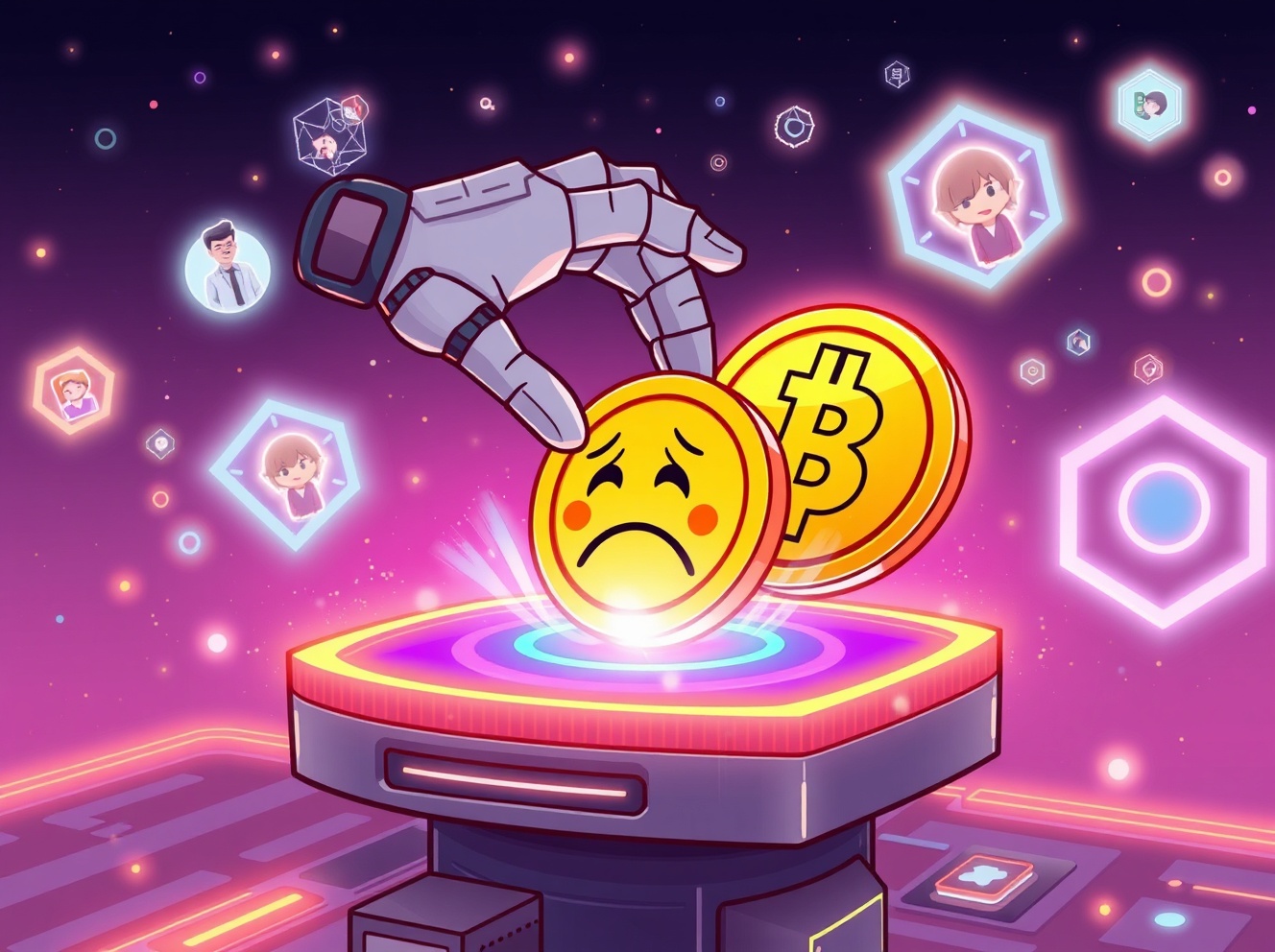
A cartoon illustration of the Elixir token being delisted from the Bithumb cryptocurrency exchange platform.

BitcoinWorld

Critical Update: Bithumb to Delist Elixir (ELX) on January 12, 2026

In a decisive move that impacts the Korean crypto market, Bithumb, a leading South Korean exchange, has announced it will delist Elixir (ELX). The trading halt is scheduled for 6:00 a.m. UTC on January 12, 2026. This action follows a comprehensive review where the exchange concluded the project no longer meets its stringent support criteria. For ELX holders, this news requires immediate attention and understanding.

Why is Bithumb Delisting Elixir (ELX)?

The primary reason for the Bithumb delist Elixir decision stems from unresolved regulatory and project health concerns. Bithumb had previously flagged ELX with an ‘investment warning’ status. According to the official notice, the project’s foundation submitted materials that were deemed insufficient to resolve the underlying issues triggering that warning.

Furthermore, the exchange conducted a thorough evaluation of the project’s business progress. The review concluded that Elixir’s development and operational milestones failed to satisfy the benchmarks required for continued listing. This process highlights the increasing scrutiny exchanges apply to maintain market integrity.

What Does This Delisting Mean for ELX Investors?

If you hold ELX tokens on Bithumb, you must take specific actions before the deadline. The exchange will suspend all trading services for the ELX/KRW trading pair at the specified time. Therefore, you have a clear window to manage your assets.

  • Withdraw Your Tokens: You can withdraw your ELX tokens to a private, external wallet that supports the asset. Ensure you initiate this process well in advance of the cutoff.
  • Sell Before the Deadline: You may choose to sell your ELX for Korean Won (KRW) on Bithumb before trading stops. After delisting, this option will vanish on the platform.
  • Post-Delisting Access: After January 12, 2026, you will only be able to withdraw ELX; deposits and trading will be permanently disabled.

Proactive management is crucial to avoid losing access to your funds on the exchange.

How Do Exchanges Like Bithumb Make Delisting Decisions?

The decision to Bithumb delist Elixir is not taken lightly. Major exchanges employ rigorous criteria to protect users and ensure market quality. Common factors that trigger a review include:

  • Low trading volume and liquidity over an extended period.
  • Failure to meet technical standards or security audits.
  • Lack of meaningful project development or community engagement.
  • Regulatory or compliance issues, such as insufficient communication from the project team.

In this case, the ‘investment warning’ designation was a significant red flag. The project’s inability to provide satisfactory follow-up materials ultimately led to the final Bithumb delist Elixir verdict. This process, while tough, is essential for maintaining a trustworthy trading ecosystem.

What Are the Broader Implications for the Crypto Market?

This event is a stark reminder of the dynamic and regulated nature of cryptocurrency markets. Delistings from major platforms like Bithumb can significantly impact a token’s liquidity, accessibility, and perceived value. For the wider market, it underscores a trend towards greater accountability.

Exchanges are increasingly acting as gatekeepers, weeding out projects that do not demonstrate sustained viability or transparency. This can be seen as a positive step towards market maturation, protecting investors from potentially stagnant or problematic assets. However, it also demands that investors stay informed about the projects they support.

Actionable Insights for Crypto Traders

Facing a delisting can be unsettling. Here is a clear plan to navigate this situation:

  1. Verify Official Channels: Always confirm news by checking the official Bithumb announcement page to avoid scams.
  2. Act Promptly, Not Panicky: Use the given timeframe to make a calm, informed decision—whether to sell or withdraw.
  3. Research Alternative Platforms: Check if ELX is listed on other reputable exchanges if you wish to continue holding.
  4. Re-evaluate Your Investment Thesis: Use this event to reassess why you invested in the project and if the fundamentals have changed.

Remember, an exchange delisting does not necessarily mean the project is dead, but it is a powerful signal about its standing within a major trading venue.

Conclusion: Navigating Market Changes with Confidence

The announcement that Bithumb will delist Elixir serves as a critical lesson in cryptocurrency investment diligence. Exchanges are raising their standards, and projects must consistently prove their worth. For investors, this means prioritizing assets with strong fundamentals, active development, and transparent communication. By understanding the reasons behind such decisions and acting swiftly on official information, you can protect your portfolio and navigate the evolving crypto landscape with greater confidence. The key is to view regulatory and exchange actions not as mere obstacles, but as mechanisms that foster a healthier, more sustainable market for everyone involved.

Frequently Asked Questions (FAQs)

What happens to my ELX tokens after Bithumb delists them?

After the delisting on January 12, 2026, you will no longer be able to trade or deposit ELX on Bithumb. However, the withdrawal function will remain available for a limited period (typically several weeks, but check the official notice for the exact date). You must move your tokens to a private wallet before this withdrawal service ends.

Can I sell my ELX on Bithumb after the announcement?

Yes, but only until 6:00 a.m. UTC on January 12, 2026. The ELX/KRW trading pair will remain active until that exact time. It is advisable to complete any trades well before the deadline to avoid last-minute issues.

Why did Bithumb issue an ‘investment warning’ for ELX?

Exchanges issue investment warnings for various reasons, including concerns about a project’s liquidity, trading volume, development activity, or regulatory compliance. For ELX, Bithumb determined there were issues that warranted caution, and the project’s subsequent response was insufficient to remove that warning status.

Will Elixir (ELX) be available on other exchanges?

The Bithumb delisting is specific to that platform. ELX may still be traded on other cryptocurrency exchanges that continue to support it. You should research other trading venues if you plan to continue buying or selling the token.

Is my ELX investment lost because of this delisting?

Not necessarily. The delisting affects the token’s availability on one specific exchange. The underlying asset still exists on the blockchain. Its value will now be determined by its trading activity on other platforms and the overall health of the Elixir project itself.

How can I stay updated on similar exchange announcements?

The best practice is to regularly check the official ‘Notice’ or ‘Announcement’ sections of the cryptocurrency exchanges where you hold assets. Following reputable crypto news sources can also provide timely alerts about major market changes.

Found this guide on the Bithumb delist Elixir situation helpful? Navigating exchange decisions is key for every crypto investor. Help others stay informed by sharing this article on your social media channels like Twitter, Telegram, or Reddit. Your share could provide crucial clarity to a fellow trader facing this deadline.

To learn more about the latest cryptocurrency exchange trends, explore our article on key developments shaping market regulations and investor protection.

This post Critical Update: Bithumb to Delist Elixir (ELX) on January 12, 2026 first appeared on BitcoinWorld.

Market Opportunity
Elixir Logo
Elixir Price(ELX)
$0.004759
$0.004759$0.004759
-8.63%
USD
Elixir (ELX) Live Price Chart
Disclaimer: The articles reposted on this site are sourced from public platforms and are provided for informational purposes only. They do not necessarily reflect the views of MEXC. All rights remain with the original authors. If you believe any content infringes on third-party rights, please contact service@support.mexc.com for removal. MEXC makes no guarantees regarding the accuracy, completeness, or timeliness of the content and is not responsible for any actions taken based on the information provided. The content does not constitute financial, legal, or other professional advice, nor should it be considered a recommendation or endorsement by MEXC.

You May Also Like

Crucial ETH Unstaking Period: Vitalik Buterin’s Unwavering Defense for Network Security

Crucial ETH Unstaking Period: Vitalik Buterin’s Unwavering Defense for Network Security

BitcoinWorld Crucial ETH Unstaking Period: Vitalik Buterin’s Unwavering Defense for Network Security Ever wondered why withdrawing your staked Ethereum (ETH) isn’t an instant process? It’s a question that often sparks debate within the crypto community. Ethereum founder Vitalik Buterin recently stepped forward to defend the network’s approximately 45-day ETH unstaking period, asserting its crucial role in safeguarding the network’s integrity. This lengthy waiting time, while sometimes seen as an inconvenience, is a deliberate design choice with profound implications for security. Why is the ETH Unstaking Period a Vital Security Measure? Vitalik Buterin’s defense comes amidst comparisons to other networks, like Solana, which boast significantly shorter unstaking times. He drew a compelling parallel to military operations, explaining that an army cannot function effectively if its soldiers can simply abandon their posts at a moment’s notice. Similarly, a blockchain network requires a stable and committed validator set to maintain its security. The current ETH unstaking period isn’t merely an arbitrary delay. It acts as a critical buffer, providing the network with sufficient time to detect and respond to potential malicious activities. If validators could instantly exit, it would open doors for sophisticated attacks, jeopardizing the entire system. Currently, Ethereum boasts over one million active validators, collectively staking approximately 35.6 million ETH, representing about 30% of the total supply. This massive commitment underpins the network’s robust security model, and the unstaking period helps preserve this stability. Network Security: Ethereum’s Paramount Concern A shorter ETH unstaking period might seem appealing for liquidity, but it introduces significant risks. Imagine a scenario where a large number of validators, potentially colluding, could quickly withdraw their stake after committing a malicious act. Without a substantial delay, the network would have limited time to penalize them or mitigate the damage. This “exit queue” mechanism is designed to prevent sudden validator exodus, which could lead to: Reduced decentralization: A rapid drop in active validators could concentrate power among fewer participants. Increased vulnerability to attacks: A smaller, less stable validator set is easier to compromise. Network instability: Frequent and unpredictable changes in validator numbers can lead to performance issues and consensus failures. Therefore, the extended period is not a bug; it’s a feature. It’s a calculated trade-off between immediate liquidity for stakers and the foundational security of the entire Ethereum ecosystem. Ethereum vs. Solana: Different Approaches to Unstaking When discussing the ETH unstaking period, many point to networks like Solana, which offers a much quicker two-day unstaking process. While this might seem like an advantage for stakers seeking rapid access to their funds, it reflects fundamental differences in network architecture and security philosophies. Solana’s design prioritizes speed and immediate liquidity, often relying on different consensus mechanisms and validator economics to manage security risks. Ethereum, on the other hand, with its proof-of-stake evolution from proof-of-work, has adopted a more cautious approach to ensure its transition and long-term stability are uncompromised. Each network makes design choices based on its unique goals and threat models. Ethereum’s substantial value and its role as a foundational layer for countless dApps necessitate an extremely robust security posture, making the current unstaking duration a deliberate and necessary component. What Does the ETH Unstaking Period Mean for Stakers? For individuals and institutions staking ETH, understanding the ETH unstaking period is crucial for managing expectations and investment strategies. It means that while staking offers attractive rewards, it also comes with a commitment to the network’s long-term health. Here are key considerations for stakers: Liquidity Planning: Stakers should view their staked ETH as a longer-term commitment, not immediately liquid capital. Risk Management: The delay inherently reduces the ability to react quickly to market volatility with staked assets. Network Contribution: By participating, stakers contribute directly to the security and decentralization of Ethereum, reinforcing its value proposition. While the current waiting period may not be “optimal” in every sense, as Buterin acknowledged, simply shortening it without addressing the underlying security implications would be a dangerous gamble for the network’s reliability. In conclusion, Vitalik Buterin’s defense of the lengthy ETH unstaking period underscores a fundamental principle: network security cannot be compromised for the sake of convenience. It is a vital mechanism that protects Ethereum’s integrity, ensuring its stability and trustworthiness as a leading blockchain platform. This deliberate design choice, while requiring patience from stakers, ultimately fortifies the entire ecosystem against potential threats, paving the way for a more secure and reliable decentralized future. Frequently Asked Questions (FAQs) Q1: What is the main reason for Ethereum’s long unstaking period? A1: The primary reason is network security. A lengthy ETH unstaking period prevents malicious actors from quickly withdrawing their stake after an attack, giving the network time to detect and penalize them, thus maintaining stability and integrity. Q2: How long is the current ETH unstaking period? A2: The current ETH unstaking period is approximately 45 days. This duration can fluctuate based on network conditions and the number of validators in the exit queue. Q3: How does Ethereum’s unstaking period compare to other blockchains? A3: Ethereum’s unstaking period is notably longer than some other networks, such as Solana, which has a two-day period. This difference reflects varying network architectures and security priorities. Q4: Does the unstaking period affect ETH stakers? A4: Yes, it means stakers need to plan their liquidity carefully, as their staked ETH is not immediately accessible. It encourages a longer-term commitment to the network, aligning staker interests with Ethereum’s stability. Q5: Could the ETH unstaking period be shortened in the future? A5: While Vitalik Buterin acknowledged the current period might not be “optimal,” any significant shortening would likely require extensive research and network upgrades to ensure security isn’t compromised. For now, the focus remains on maintaining robust network defenses. Found this article insightful? Share it with your friends and fellow crypto enthusiasts on social media to spread awareness about the critical role of the ETH unstaking period in Ethereum’s security! To learn more about the latest Ethereum trends, explore our article on key developments shaping Ethereum’s institutional adoption. This post Crucial ETH Unstaking Period: Vitalik Buterin’s Unwavering Defense for Network Security first appeared on BitcoinWorld.
Share
Coinstats2025/09/18 15:30
Shiba Inu Price Forecast: Why This New Trending Meme Coin Is Being Dubbed The New PEPE After Record Presale

Shiba Inu Price Forecast: Why This New Trending Meme Coin Is Being Dubbed The New PEPE After Record Presale

While Shiba Inu (SHIB) continues to build its ecosystem and PEPE holds onto its viral roots, a new contender, Layer […] The post Shiba Inu Price Forecast: Why This New Trending Meme Coin Is Being Dubbed The New PEPE After Record Presale appeared first on Coindoo.
Share
Coindoo2025/09/18 01:13
The U.S. Financial Accounting Standards Board plans to study in 2026 whether crypto assets such as stablecoins can be classified as cash equivalents.

The U.S. Financial Accounting Standards Board plans to study in 2026 whether crypto assets such as stablecoins can be classified as cash equivalents.

PANews reported on December 31 that the Financial Accounting Standards Board (FASB) plans to study in 2026 whether certain crypto assets can be classified as cash
Share
PANews2025/12/31 16:50