You've bought your first Bitcoin and want to transfer it between wallets or send it to someone else. Learning how to send Bitcoin to another wallet is straightforward once you understand the basics.You've bought your first Bitcoin and want to transfer it between wallets or send it to someone else. Learning how to send Bitcoin to another wallet is straightforward once you understand the basics.
You've bought your first Bitcoin and want to transfer it between wallets or send it to someone else. Learning how to send Bitcoin to another wallet is straightforward once you understand the basics. This guide walks you through the complete process, helping you avoid common mistakes and ensuring your transactions complete safely every time.
It's a long string of letters and numbers that allows others to send you Bitcoin. Your wallet has a public address (safe to share) and a private key (must remain secret). The private key proves ownership and authorizes outgoing transactions, so never share it with anyone.
Bitcoin transactions are recorded on the blockchain and cannot be reversed once confirmed. This permanence makes accuracy critical when entering recipient addresses. Different wallet types exist—exchange wallets like MEXC, mobile wallets, hardware wallets, and desktop wallets—but the sending process remains essentially the same across all platforms.
Sending Bitcoin requires attention to detail but doesn't demand technical expertise. Here's your complete guide to transferring Bitcoin safely from start to finish.
Open your wallet and verify you have enough balance to cover both the amount you're sending and the network transaction fee. If you hold multiple cryptocurrencies, select Bitcoin specifically. Most wallets display your available balance on the home screen. Ensure you have slightly more than your intended send amount to cover miner fees.
Look for a button labeled 'Send,' 'Withdraw,' or 'Transfer' in your wallet interface. On MEXC, click 'Wallets' in the top right corner, then select 'Withdraw' from the dropdown menu. Some wallets require selecting the cryptocurrency first, then choosing send, while others reverse this order. You'll quickly reach a screen requesting recipient information.
Obtain the recipient's Bitcoin address, which they can share as a QR code or text string. If a QR code is available, scan it with your wallet to avoid errors. If copying and pasting, triple-check every character. One wrong letter or number sends your Bitcoin to an incorrect address with no recovery option.
Enter how much Bitcoin you want to transfer. Most wallets let you input amounts as Bitcoin (BTC) or fiat currency equivalent. Pay attention to which unit you're using because the difference between $100 and 100 BTC is enormous. Some wallets automatically calculate and display both values to prevent mistakes.
The transaction fee compensates miners who process your transfer. Fees fluctuate based on network congestion, similar to surge pricing. On MEXC, you'll also need to select the correct network for your withdrawal (like BTC network for Bitcoin), and note that minimum withdrawal amounts apply—for example, Bitcoin requires a minimum of 0.0002 BTC. During busy periods, higher fees ensure faster processing. Many wallets suggest appropriate fees, though some let you adjust manually. Setting fees too low causes delays, while overpaying wastes money unnecessarily.
Review everything carefully before proceeding. Verify the recipient's address matches exactly. Confirm the amount is correct. Check you're comfortable with the transaction fee. Remember that Bitcoin transactions cannot be cancelled or reversed once broadcast, making this your final opportunity to catch errors.
Click "Send" or "Confirm" to broadcast your transaction. You may need to enter your password and will likely be required to complete email verification and Google Authenticator (if enabled) before the transaction processes. Once confirmed, your wallet displays a transaction ID (TXID) for tracking. Save this TXID to monitor your transaction's progress on the blockchain.
Most Bitcoin transactions complete within 10 to 60 minutes. Bitcoin's blockchain adds new blocks approximately every 10 minutes, and your transaction needs inclusion in one of these blocks for its first confirmation. Speed varies based on network congestion and your transaction fee.
During low-traffic periods with adequate fees, expect confirmation within 10-20 minutes. High network activity means thousands of transactions compete for block space, with miners prioritizing higher fees. Low fees during busy times can leave your transaction waiting hours or days in the mempool. Most platforms require one to six confirmations before crediting funds, with larger amounts typically needing more confirmations for security.
Incorrect wallet address: Never type addresses manually; always copy-paste and verify the first and last characters match before confirming.
Wrong cryptocurrency network: Bitcoin addresses only accept Bitcoin; sending to Ethereum, Litecoin, or other networks results in permanent loss.
Insufficient transaction fees: Low fees trap transactions in the mempool for hours or days during network congestion.
Skipping test transactions: Always send a small test amount first when using new wallets or transferring large sums.
Sharing private keys: Never share private keys, recovery phrases, or passwords with anyone, as legitimate platforms like MEXC never request this information.
1. Can I cancel a Bitcoin transaction after sending?
No, Bitcoin transactions cannot be cancelled once they're broadcast to the network and confirmed in a block.
2. How to send Bitcoin from PayPal to another wallet?
PayPal currently doesn't allow withdrawing Bitcoin to external wallets, so you cannot send Bitcoin from PayPal directly to another wallet outside their platform.
3. How to send Bitcoin on cash app to another wallet?
Open Cash App, tap the Bitcoin tab, select "Withdraw Bitcoin," scan or enter the recipient's wallet address, enter the amount, and confirm the withdrawal.
4. How to send Bitcoin to another wallet on cash app?
The process is the same as above—use the "Withdraw Bitcoin" feature in Cash App's Bitcoin section to send to any external wallet address.
5. How much does it cost to send Bitcoin to another wallet?
Transaction fees vary from under $1 to over $20 depending on network congestion, typically averaging $1-5 during normal activity periods.
6. What happens if I send Bitcoin to the wrong address?
The Bitcoin is permanently lost because transactions are irreversible and there's no central authority to reverse the transfer.
7. How to send Bitcoin from Venmo to another wallet?
Venmo doesn't currently support sending Bitcoin to external wallets, limiting you to buying, selling, and holding within their platform.
8. Do I need both people's wallet addresses to send Bitcoin?
No, you only need the recipient's wallet address; the sender's address is automatically included in the transaction by your wallet.
Learning how to send Bitcoin to another wallet empowers you with full control over your cryptocurrency. The process demands careful attention but becomes routine with practice. Always verify recipient addresses multiple times, ensure adequate transaction fees, and never share private keys. Platforms like MEXC provide secure interfaces that simplify Bitcoin transfers for beginners and experienced users alike. Start with small test transactions to build confidence, and you'll soon handle Bitcoin transfers as easily as traditional payments.
XLM vs XRP Explained: Two Coins, Two Very Different Missions
If you've been researching cross-border payment coins, you've probably run into XLM and XRP sitting side by side on every list.They share a founder, solve similar problems, and often move in price tog
What Is the XRP Mastercard? The Gemini Credit Card and Ripple Explained
Ripple and Mastercard are no longer just parallel players in the payments world — they're actively building together.This article breaks down the XRP and Mastercard partnership, explains the Gemini XR
Is XRP ISO 20022 Compliant? Here's What You Need to Know
The global banking system is getting a major upgrade — and XRP is one of the few cryptocurrencies built to fit right into it.This article breaks down what ISO 20022 actually is, how XRP connects to it
Will XRP Replace SWIFT? What Investors Need to Know
Every time XRP makes headlines, the same debate resurfaces — can a cryptocurrency actually challenge the backbone of global banking?SWIFT has moved trillions of dollars across borders for decades, but
Zcash Wallet: Your Complete Guide to Storing ZEC Safely
A Zcash wallet is a digital tool that lets you store, send, and receive ZEC coins securely. Think of it as your personal bank account for Zcash, where you hold the keys to your privacy-focused
Smart Money vs Retail: Who Really Controls BEEG in 2026? Wallet Behavior Breakdown
Who truly pulls the strings of BEEG in 2026? This professional breakdown analyzes Beeg Blue Whale (BEEG) wallet behaviors, comparing institutional "Smart Money" accumulation with retail sentiment.

BEEG On-Chain Data Deep Dive 2026: Are Smart Money Wallets Accumulating?
In-depth analysis of BEEG on-chain data reveals smart money accumulation trends. Explore BEEG chain metrics, whale wallet behavior, and why MEXC is the optimal platform for trading BEEG with lowest
MEXC Wallet positions itself as a comprehensive Web3 asset management solution that evolved from early wallet offerings into a full-featured, multi-chain self-custody platform serving millions of
20 Bitcoin Indicators Flash Bullish At The Same Time, And This Could Send Price To $150,000
The post 20 Bitcoin Indicators Flash Bullish At The Same Time, And This Could Send Price To $150,000 appeared on BitcoinEthereumNews.com. Crypto analyst Sweep has

Revelations about Charlie Kirk's murder send shockwaves through social media
As reported by Daily Mail, defense attorneys for the man accused of killing Charlie Kirk, filed a court claim on Friday indicating Bureau of Alcohol, Tobacco, Firearms
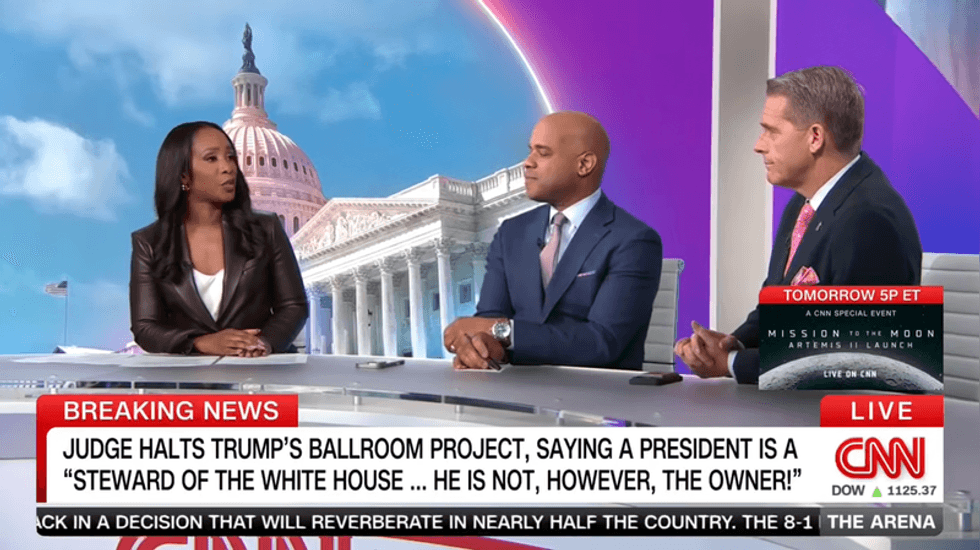
CNN host brutally fact-checks conservative using Trump's own words
CNN's Abby Phillip brutally fact-checked GOP analyst Scott Jennings on Tuesday over President Donald Trump's shifting comments about the war in Iran. Jennings claimed
Will Russia Send Its Troops To Iran To Expand Their Military Axis?
The post Will Russia Send Its Troops To Iran To Expand Their Military Axis? appeared on BitcoinEthereumNews.com. Just days before the U.S. and Israel launched their
Related Articles
XLM vs XRP Explained: Two Coins, Two Very Different Missions
If you've been researching cross-border payment coins, you've probably run into XLM and XRP sitting side by side on every list.They share a founder, solve similar problems, and often move in price tog
What Is the XRP Mastercard? The Gemini Credit Card and Ripple Explained
Ripple and Mastercard are no longer just parallel players in the payments world — they're actively building together.This article breaks down the XRP and Mastercard partnership, explains the Gemini XR
Is XRP ISO 20022 Compliant? Here's What You Need to Know
The global banking system is getting a major upgrade — and XRP is one of the few cryptocurrencies built to fit right into it.This article breaks down what ISO 20022 actually is, how XRP connects to it

Will XRP Replace SWIFT? What Investors Need to Know
Every time XRP makes headlines, the same debate resurfaces — can a cryptocurrency actually challenge the backbone of global banking?SWIFT has moved trillions of dollars across borders for decades, but